
Government confirms renewed support for organic through SFI
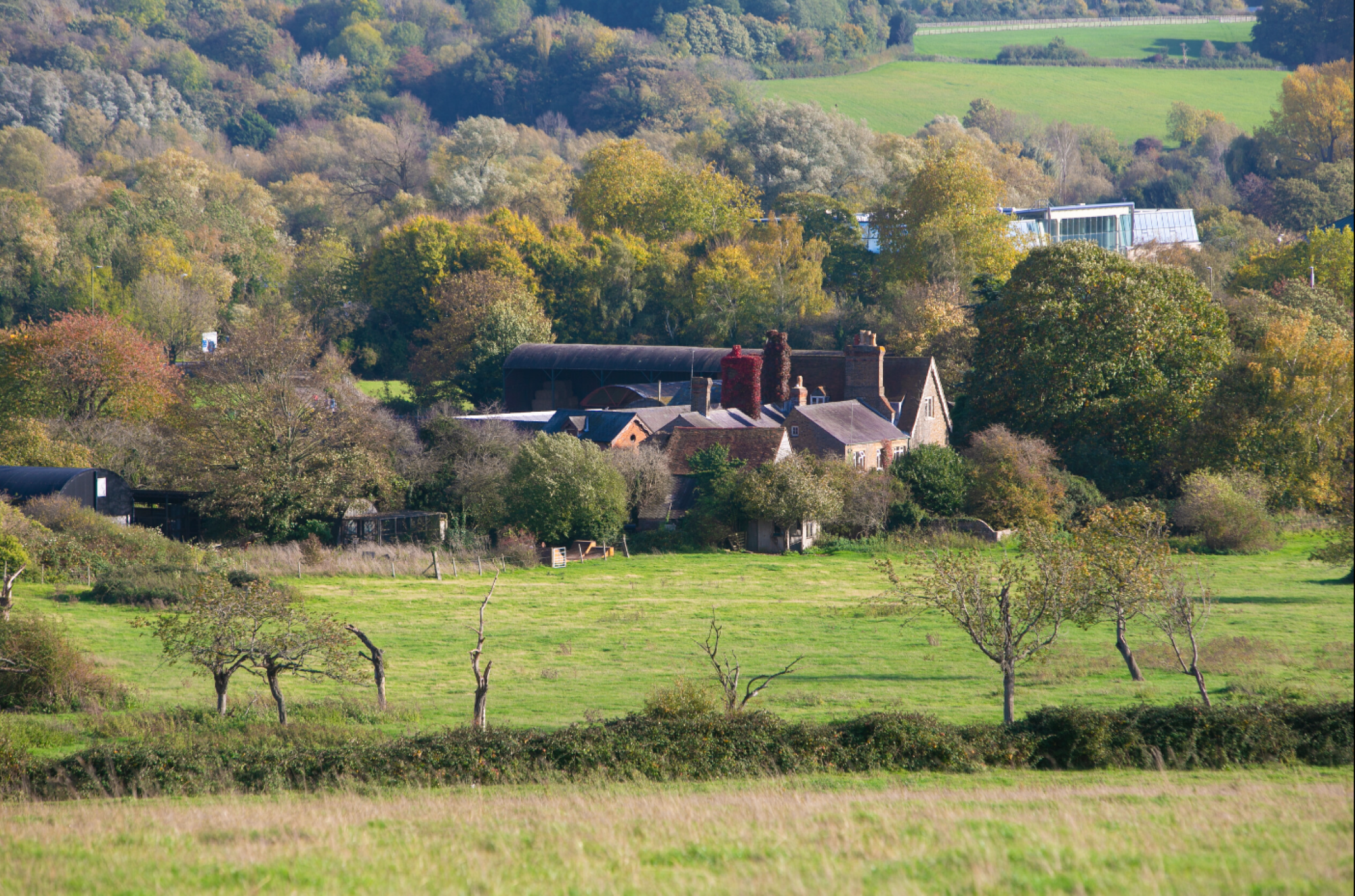
Woodland organic farm, Hertfordshire
The government has confirmed that the new Sustainable Farming Incentive (SFI) will continue to support organic farming, prompting a cautious welcome from the Soil Association (SA).
The announcement confirms support for farmers during the two-year conversion period as well as for those undertaking ongoing organic land management – both of which involve strict environmental standards.
The news follows warnings from the charity that the organic sector was ‘holding its breath’ amid uncertainty after the SFI closed abruptly last year, with no clear government commitments to organic support.
While welcoming the renewed backing, the SA notes that some options have been removed across both organic and non-organic elements of the scheme and says it will be assessing the potential impact of those changes in the coming weeks.
“Our declining wildlife and our farmers, who are dealing with the impacts of climate change, desperately need a nature-friendly-farming revolution,” explains SA policy director, Brendan Costelloe. “The new details of the Sustainable Farming Incentive provide much-needed clarity and reassurance for farmers, many of whom have had plans on hold.
“Next, we need an Organic Action Plan for England, as Scotland have done, which would add to the growing momentum in the UK around organic.”
“This includes organic – we are really pleased to see government’s renewed commitment to backing the sector with the highest environmental standards. The continued support for conversion to organic and the core ongoing organic land management options will help to give further confidence to the growing numbers looking to seize the opportunities from the booming organic market.
“Next, we need an Organic Action Plan for England, as Scotland have done, which would add to the growing momentum in the UK around organic. This would help to catalyse public and private partnerships, increase investment in the sector and unlock the economic and environmental opportunities that organic brings.”
Government support for organic farming has for decades covered both the initial two-year conversion period and ongoing land management. During conversion, farmers can’t market produce as organic and may need to take land temporarily out of production while systems adjust. Post-conversion support helps offset the additional costs associated with delivering higher environmental and animal welfare standards.
A review of recent figures by the SA shows that organic accounted for just over 1% of total SFI expenditure between October 2024 and October 2025. The organization says this represents value for money, citing the environmental benefits across entire farms and the reduction in administrative complexity due to rigorous certification processes and legally defined standards.
By Jane Wolfe, contributor