
UK organic market doubles in last decade to hit £3.9BN
The UK organic market has experienced its 14th consecutive year of growth, doubling in value over the past decade to now be worth £3.9 billion, according to the 2026 Organic Market Report from Soil Association Certification.
Globally, the UK now ranks as the eighth largest retail market for organic, with overall sales rising 4.2% in 2025. Supermarkets are driving much of this growth, seeing sales up 7% and unit growth of organic four times that of non-organic. Dairy is a standout category, particularly organic milk and eggs, which both delivered volume growth of over 8%.
“The continued growth of the organic market reflects the strong consumer demand for healthier, more nature friendly food,” said Alex Cullen, commercial director at Soil Association Certification. “Concerning headlines around both pesticides and PFAS or ‘forever chemicals’ in food, and their link to health issues, have no doubt also captured consumer attention and driven shoppers to look for the organic logo, a trusted signpost to fewer artificial pesticides, additives and higher welfare.”
Health remains a central driver for consumers who are buying more whole foods as they prioritize protein, fibre and nutrient density. And with more UK households containing at least one GLP-1 drug user, smaller, nutrient-rich portions are expected to shape future buying habits.
Supermarket sweep
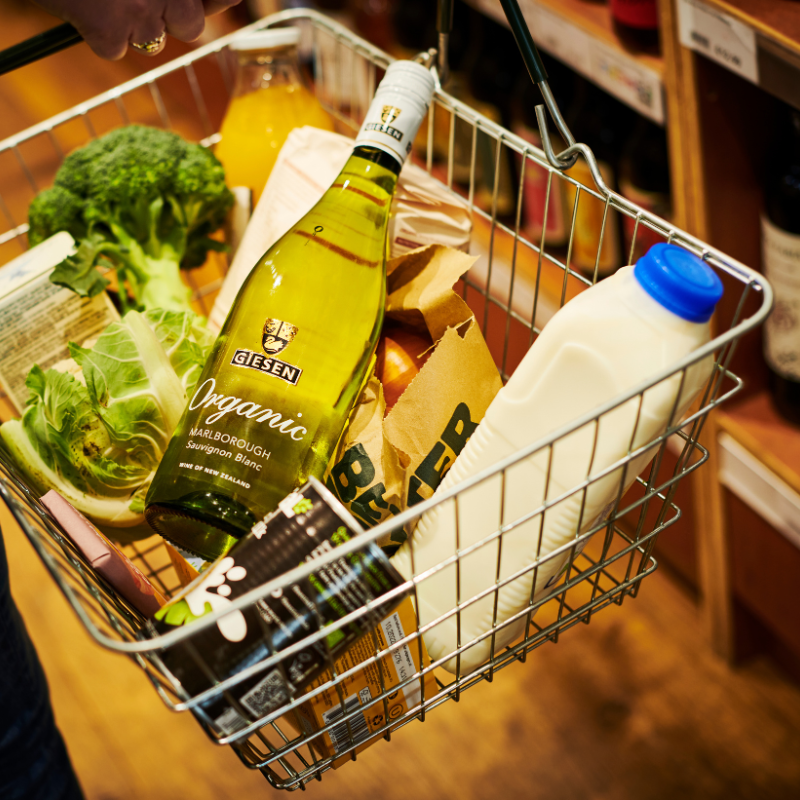
“Supermarkets have taken note of consumer demand for healthy, high-quality nutrient rich food, and have reacted with rebrands and expansions to their organic ranges, along with more price promotions and loyalty discounts,” explains Cullen. “83% of households are buying organic and the frequency of organic purchases has increased in supermarkets, with shoppers on average buying organic once every three weeks – that’s 17 trips to buy organic a year. Businesses are wise to take notice and continue to make organic food and drink available and accessible in their stores so that consumer footfall continues to be captured.”
Retailers including Ocado, Aldi, Lidl and M&S have all grown share, while others have refreshed own-label ranges and stepped up promotions to stay competitive.
Yet, despite growing demand, only 3% of UK farmland is organic, with growth in conversion slowing after Sustainable Farming Incentive (SFI) payments were frozen. This is in contrast to Scotland’s newly launched Organic Action Plan which is backed by a three-year £200,000 strategy to expand organic land, increase production and boost demand for Scottish organic products.
“We have fought hard to ensure that organic was included in the renewed SFI payments, and we welcome the announcement by Dame Angela Eagle at the NFU Conference last week,” says Cullen. “It is heartening to see organic recognized as a way of farming with the highest environmental standards. However, there is still a need for a longer-term vision to enable farmers to commit to more nature-friendly farming methods with the security of knowing the support, including financial, will be there. An English Organic Action Plan, like Scotland have committed to, would catalyze the public and private partnerships that will give farmers assurance in committing to organic conversion.”
“If we want a resilient British food system, protection for our biodiversity and greater futureproofing for our farmers, the government needs to back organic.”
“Changing geopolitical headwinds means it is more important than ever that the UK can become more resilient and self-sufficient in meeting demand for organic products. The time has come for the UK government to meet consumer demand and safeguard the future of sustainable farming in England with a clearly funded plan,” he adds. “Organic farming is crucial for delivering the UK’s climate and nature goals, backed by the UN who point to more organic food in people’s diets as a way of reducing the emissions that contribute to global warming.
“In addition, if the UK government recognises export opportunities, and leans into closer regulatory alignment with the EU, there’s the opportunity to follow in the footsteps of Denmark and Ireland, expanding domestic production while boosting exports.
“The strong performance of organic dairy, eggs and home grown produce this year shows that British farming + Organic = a winning combination for consumers. Businesses including supermarkets have taken note, and now we need the government to do the same and help more English farmers on the path to organic conversion.
“If we want a resilient British food system, protection for our biodiversity and greater futureproofing for our farmers, the government needs to back organic.”
By Jane Wolfe, contributor