
Feature: Cool Beans
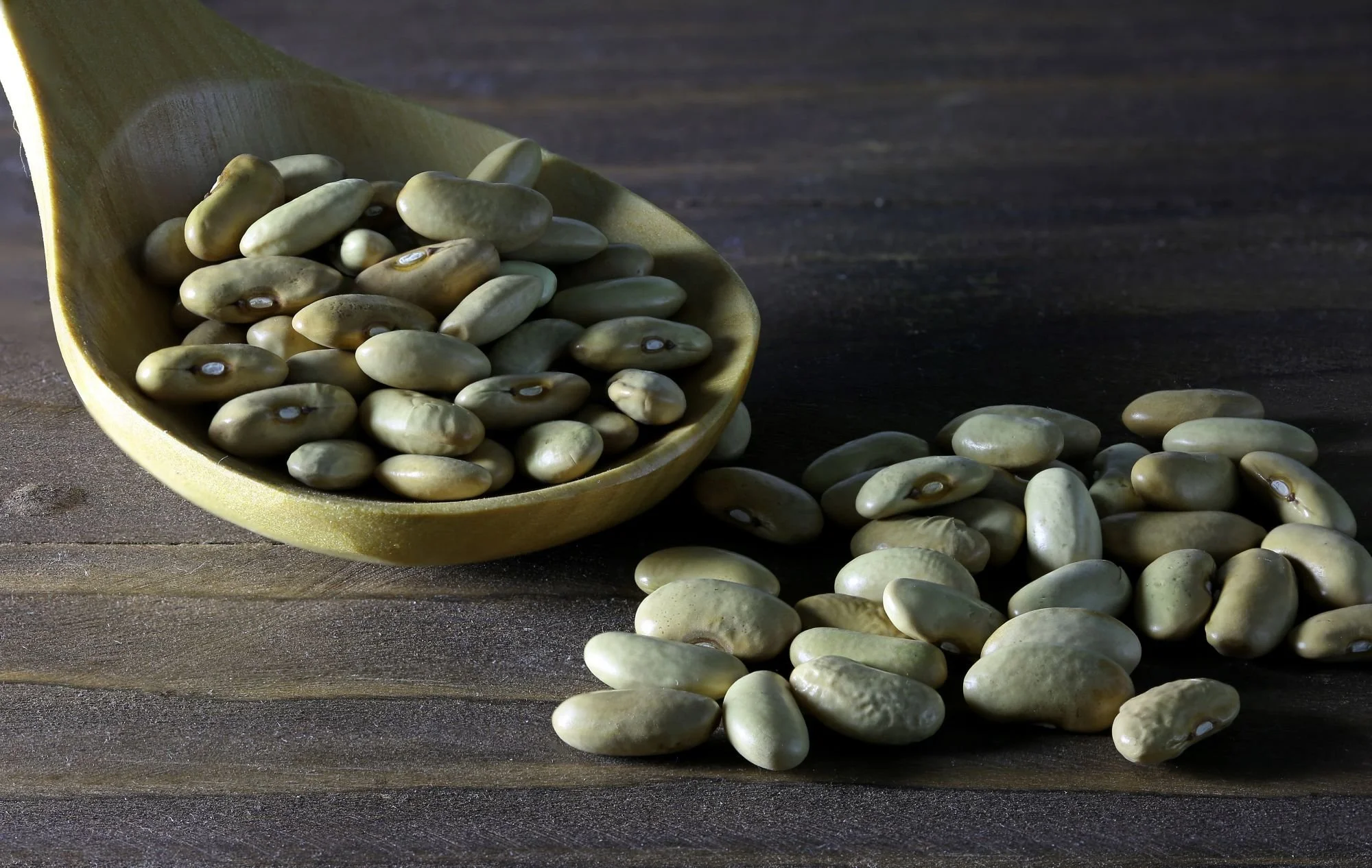
Matt Chittock explores why the humble health store staple is suddenly the sexiest choice in the nation’s store cupboards.
Legumes have always led the way in health stores. A fat stack of cans at the back of the shop signals healthy, thrifty and sustainable ingredients shoppers can use to bulk out – or be the star of – stews, soups, salads and more.
This perennial appeal means that for our sector it’s always been true that, to misquote one of Heinz’s biggest marketing campaigns, ‘beanz meanz salez’. And now it seems like the rest of the market is catching up. Even in the multiples, beans look like they’re having a moment, with upmarket grocer Waitrose reporting canned bean sales soaring 122% a year.
Sophie Ziegler Jones, PR lead and self-described ‘bean queen’ at Suma, says that beans are definitely a key part of the co-op’s business. “Beans are absolutely core to what we do,” she says. “They tick so many of our boxes it’s almost ridiculous: affordable, nourishing, versatile and with a long shelf life that makes them a quiet hero of low-waste cooking. From a health perspective, they’re a brilliant source of fibre, protein and slow release energy.
“Beans are basically the kind of ingredient that does you a favour every time you eat them. And on the thrift side, they’ve always been a staple for feeding people well without spending a fortune. In a world of fluctuating food costs, beans are reassuringly steady, nutritionally dense and economically sensible.”
“[Beans are] affordable, nourishing, versatile and with a long shelf life that makes them a quiet hero of low-waste cooking. ”
Maxxing out the benefits
Other benefits aside, one of the main reasons beans are blowing up right now is social media. Fibremaxxing is an enduring TikTok trend translating to sales, with influencers explaining online how to pile on the fibre in order to improve gut health and reach personal fitness goals. “We’ve definitely seen a lift [in sales due to Fibremaxxing],” Ziegler Jones notes. “Beans have gone from being the supporting act to suddenly getting top billing thanks to the fibre conversation going mainstream. What’s interesting is that it’s not just about health stats. It’s not just ‘eat more beans’, it’s ‘eat better beans’, which is a win in our book.”
Eleanor Faulkner, nutritionist at Viridian Nutrition, explains that fibre is most beneficial to the digestive system, helping move food through the gut. She says it’s good to get a balance of soluble fibre (mostly found in sources like beans) and insoluble fibre (found in wholegrains, nuts, fruit and veg).
“Fibre also plays a role in supporting the bacteria in the gut microbiome,” she adds. “Bacteria feed on prebiotic fibre, especially the beneficial bacteria Bifidobacterium and Lactobacillus. A healthy gut microbiome can in turn help support metabolism, digestion, the immune system and even brain health through the gut-brain axis.”
So boosting bean consumption, and fibre generally, seems smart. But can you have too much of a good thing? “It’s difficult to have too much fibre in the diet,” says Faulkner. “However, over 70g of fibre per day is not recommended and could lead to nutrient malabsorption. Too much fibre without the necessary hydration can lead to bloating, gas, constipation and cramps.”
Fibre boost
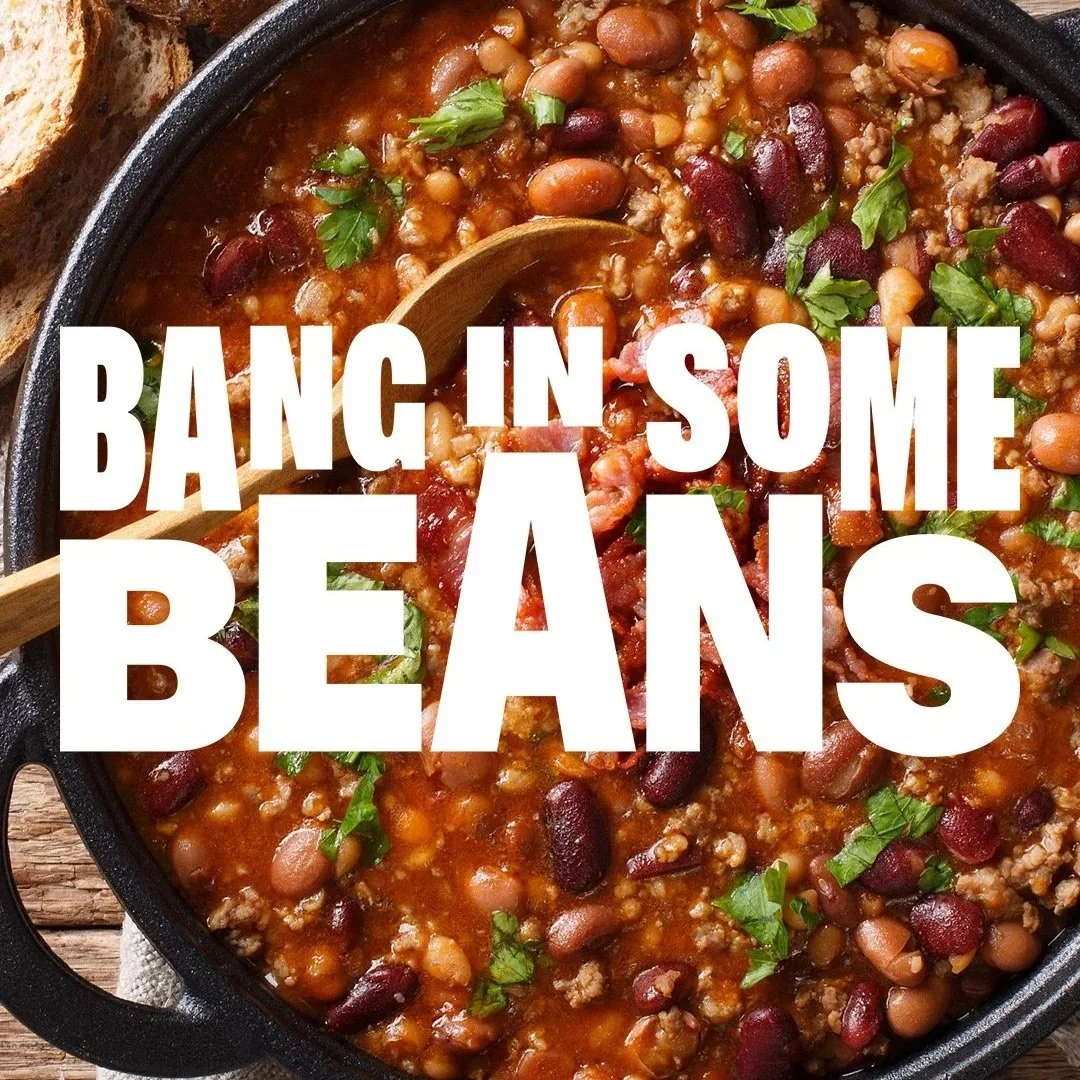
Bang in some Beans, the celeb chef backed campaign aimed at doubling bean consumption by 2028, is definitely honing in on the health benefits. According to the campaign’s published bean facts, just 4% of adults eat enough fibre and only 17% get their five-a-day of fruit and veg. Right now, Brits on average eat just one portion of beans a week, with two-thirds of the UK population (66%) eating less than that.
Whirlwind of innovation
In the wider market, interest in the humble bean is helping hype up the ambient category generally. And, despite their value-for-money reputation, brands see the appeal in going upmarket, with challengers like Bold Bean Co highlighting provenance and using glass jars to showcase quality.
Beans are also breaking through to snacking as a healthier alternative to high fat, salt and sugar (HFSS) products, with lines like IBIS Rice’s new Bean & Rice Angles (out this September). Like everything the brand does, incorporating beans is part of its mission to create a sustainable future for both farmers and the environment.
“We’re really excited to share the brand new Angles with shoppers,” says Nick Spencer at IBIS Rice. “Farmers first harvested the beans in 2025 in between their rice harvest. This process helps regenerate the soil, giving extra guaranteed income to farmers, plus a nutrition boost for our products.”
Spencer notes that shoppers are seeking tasty, healthy products which also chime with current trends for added fibre and protein, while retailers want more HFSS compliant lines.
“Adding beans helps hone Angles’ health appeal, providing both natural fibre and a sustainable plant protein that meets HFSS legislation and so can be showcased across the store, including prime promotional locations,” he says. “We’ve been bold with our flavours too – with variants like Lime & Pepper, Chilli & Mango and Cambodian Curry offering shoppers an elevated taste profile compared to more traditional snacks.”
So, what’s next for beans this year? Expect more brands finding fresh ways to use them to highlight health, flavour and texture.
“Beans are actually quietly clever,” says Ziegler Jones. “Pair them with something simple like grains or nuts, a squeeze of lemon and a drizzle of oil, and you’ve got a meal that’s not just filling but properly balanced. It’s not complicated, just smart eating.”
By Matt Chittock, acting editor