
Feature: Rooted in Growth
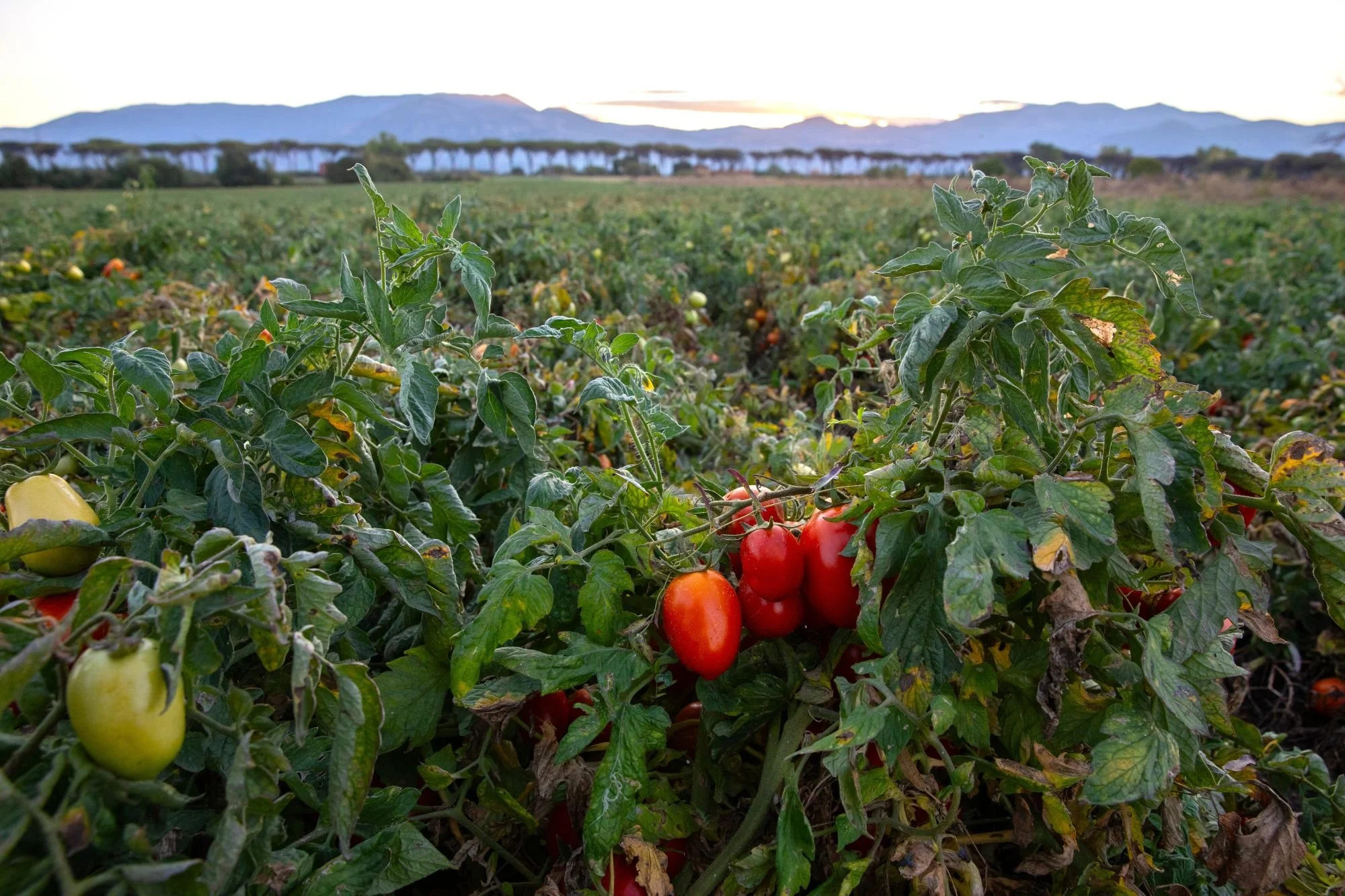
Image credit: Mr Organic
With organic outpacing conventional food and drink in the UK, Jane Wolfe looks at what’s driving sales and how the category can continue to thrive.
Was 2025 the year that organic finally won over mainstream shoppers? Soil Association figures show that last year organic food and drink grew at four times the rate of non-organic in supermarkets. And, with the overall organic market rising 4.2% to hit £3.9 billion (the 14th consecutive year of growth), there’s plenty of opportunity for independent retailers to capitalize on the category they lead on.
According to Alex Cullen, commercial and marketing director for Soil Association Certification, dairy (23% of the market) and fresh produce (32.6%) are the two biggest categories for organic, accounting for over half of sales. “This is perhaps unsurprising, given the three main reasons shoppers buy organic are health, animal welfare and to avoid pesticides,” she explains.
For retailers, there are still lots of categories with room for growth. For example, frozen is one of organic’s fastest-selling stars (+16.3%) – but currently represents only 0.5% of the market. Plus, several ambient categories are outpacing non-organic, but remain underrepresented on the shelves. These include nuts and seeds (+22.1%), canned foods (+3%) and cereals (+4.7%). Home baking is up 7.8%, while beer, wines and spirits are soaring, driven by strong organic wine performance (+10.4%).
Sparking consumer awareness
As the category expands, consumer understanding of organic is evolving. Stephanie Lee, brand manager for Mr Organic, which specializes in organic pantry essentials, has seen its consumer base expand.
“We noticed the biggest shift during COVID-19 when more people were cooking at home, learning about healthy eating and focusing on where their food came from,” she says. “During this time, shopper behaviour changed and the demand for organic food skyrocketed. Consumers had more disposable income and many would put money towards buying more high-quality, organic ingredients. We doubled in sales revenue and got major retail listings.”
“Shoppers are increasingly looking for convenient options that still meet their health expectations, so there’s a real gap for organic products that deliver on both convenience and clean, recognizable ingredients.”
When Mr Organic launched in 2009, the biggest hurdle was educating people about the benefits of organic food. “Fast-forward to 2026 and consumers seem to have a better understanding,” says Lee, noting that growth in demand and market share is down to shoppers trying to avoid ultra processed foods (UPFs), improve their gut health and eat more protein and fibre. “Things have shifted … people now see organic as something that has long-term benefits and are more willing to justify the additional spend,” she adds.
Lee also sees a big opportunity for organic to change the perception that it’s just a raw or single-ingredient proposition and move into added-value, multi-ingredient products. “Shoppers are increasingly looking for convenient options that still meet their health expectations, so there’s a real gap for organic products that deliver on both convenience and clean, recognizable ingredients,” she points out.
Building trust
Organic is more than food and drink. The organic beauty and wellbeing market rose 8.5% in 2025, buoying players like Green People, the world’s first certified organic skincare brand. However, brand founder Charlotte Vøhtz says that greenwashing can be a blocker for shoppers. “Frankly, the biggest barrier is the beauty industry itself. The term ‘organic’ is used far too loosely which creates confusion and undermines genuinely certified brands,” she says.
Vøhtz believes brands have a responsibility to be more precise in how they communicate. “That means proper certification, full transparency and resisting the temptation to overclaim,” she says. “Short-term marketing gains aren’t worth long-term damage to trust. Consumers are incredibly good at spotting inconsistency – and once trust is lost, it’s very difficult to regain.”
Vøhtz adds that the next phase of organic beauty will be about raising standards. “Organic skincare can no longer rely on its ethical positioning alone – it has to compete on performance, innovation and credibility,” she explains.
“The future isn’t just ‘more organic’ – it’s better, more credible, and more accountable organic.”
“We’ll see more sophisticated plant actives, advances in green science and deeper scrutiny of sustainability claims. But, ultimately, the brands that succeed will be those that are rigorous – in formulation, sourcing and in communication. For me, it’s about evolution without dilution. The future isn’t just ‘more organic’ – it’s better, more credible, and more accountable organic.”
This emphasis on certification and transparency extends across categories, including supplements. Ashok Mistry, co-founder of Ayurvedic herbal supplements brand True Veda, believes certification is essential for ensuring purity, quality and sustainability. “[Organic certification] helps guarantee that herbs are grown without synthetic pesticides, herbicides or genetically modified organisms,” he says.
“This aligns with our commitment to providing the highest-quality products while supporting environmentally responsible farming practices. We have seen strong, sustained demand from consumers who increasingly value transparency, purity and sustainability in their supplements. This trend has been a key driver of our growth and reinforces our long-term vision.”
Organic takeaways
83% of UK households buy organic at least once a year, highlighting how organic is no longer niche, but part of the mainstream.
Organic food and drink sales across major retail grew at four times the rate of non-organic, with organic unit sales at 1.2% compared with 0.3% for conventional.
Dairy and fresh produce make up about 60% of organic volume, which underlines their role as key ‘entry point’ categories.
The textiles sector experienced 10% growth, with controversy over toxic chemicals in tampons driving a shift to organic personal care products.
While non-organic sales of beer, wines and spirits fell in major retailers, organic alcohol lines experienced over 6% value growth and 5% volume growth.
Source: Soil Association
Conversion challenges
While organic demand continues to grow, supply-side challenges remain. Positive news came from the Department for Environment, Food and Rural Affairs (Defra) this May, with figures showing that UK organic land rose by 7.3% in 2025 to reach 540,000ha – the highest total in over a decade.
“It is great to see a rise in organic land across most of the UK, but the increase is largely being driven by the appetite in Scotland,” explains Alison Muirhead, senior commercial manager at Soil Association Certification. “Scotland is a great example for how, with the right backing from politicians and supply chain experts, we can produce nature-friendly food and drink on healthy, home soils. We therefore urgently need Organic Action Plans for England and Wales so the whole of the UK can feel the benefits organic delivers.”
Current barriers to land conversion include the lack of long-term contracts or assurances from retailers and lack of processing facilities for organic animals. Converting to organic is a leap of faith, says Cullen, because during the two-year conversion period, farmers don’t achieve organic prices, usually have lower yields and have to deal with increased costs such as organic seed and natural pest control.
“As there are many crops we simply can’t grow in the UK, naturally we will always need to import some things,” Cullen points out. “For crops we’re able to grow here in the UK in agroecological systems there is certainly scope to become much more self-sufficient. How quickly we could achieve this will largely be dependent on government support for organic – not only in the form of Organic Action Plans, but in other areas such as the UK Horticulture Strategy, Land Use Framework policy and the wider Defra Farming Roadmap.”
By Jane Wolfe, contributor