
Which? challenges value of menopause supplements
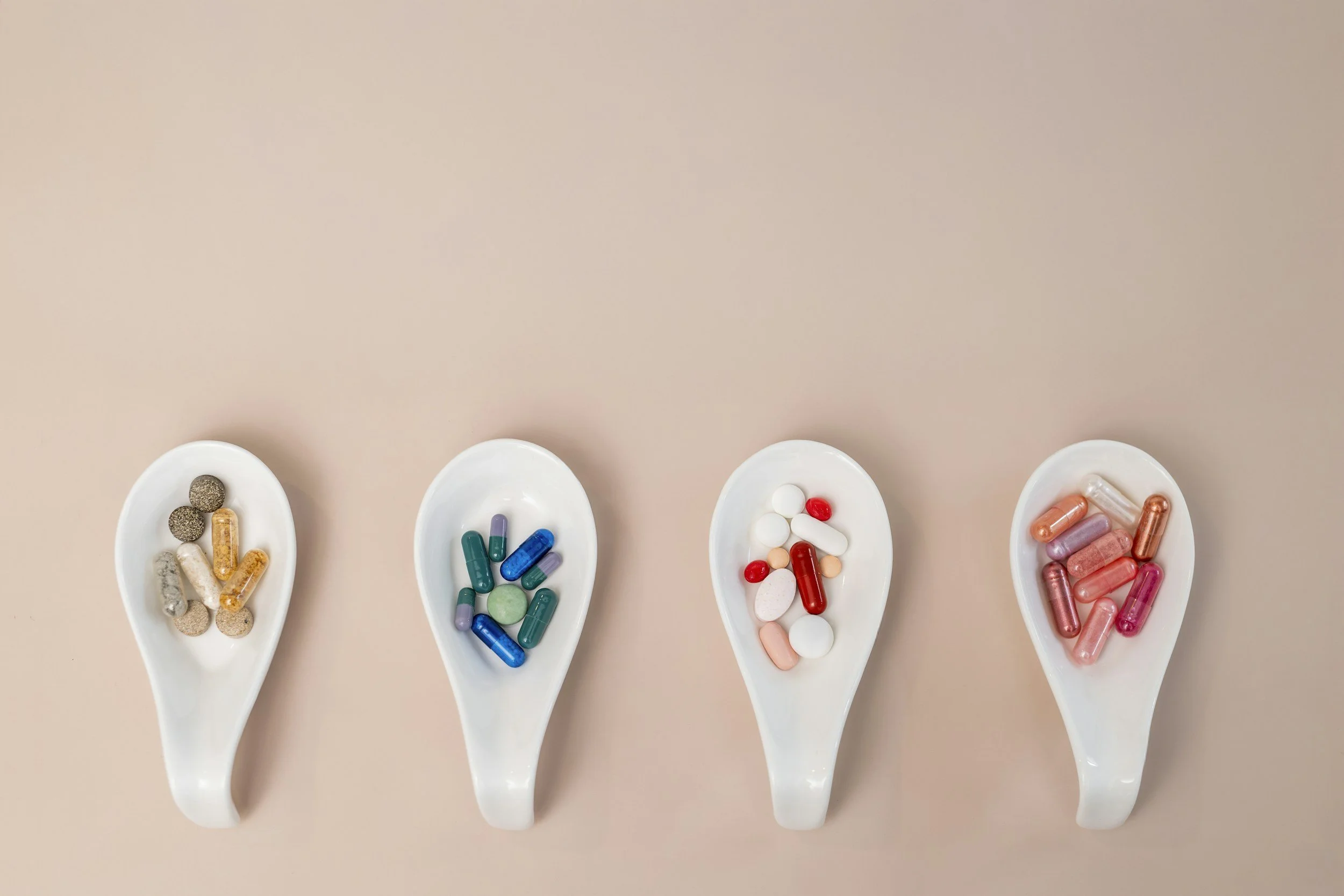
Specialist supplements marketed at menopausal women can provide lower levels of key nutrients than a basic multivitamin, according to a Which? investigation.
Which? reviewed 26 supplements aimed at women going through the perimenopause, menopause or aged over 45, assessing more than 78 active ingredients against the latest scientific evidence.
The study found that none of the products met the quality standards required to be named a Which? Best Buy, with no supplement containing the right combination of nutrients at appropriate doses specifically for menopause.
Prices varied considerably, with no clear link between cost and nutritional provision. For example, Love Mushrooms’ Empower costs more than £1 a day, yet the investigation found that while it contained a good mix of well-dosed ingredients, it lacked menopause-specific nutrients including magnesium and calcium. Its lion’s mane extract, which has some evidence for menopausal mood symptoms, was also present at too low a dose to be effective, the report states.
Wild Nutrition’s Women’s 45+ Daily Multi Nutrient was another of the more expensive products assessed. Promoted as ‘menopause-friendly’, it was found to contain relatively low levels of vitamin D, calcium and magnesium.
At the other end of the scale, Asda A-Z Multivitamins & Minerals costs just 6p a day and contains all essential vitamins, alongside 200mg of calcium and 100mg of magnesium.
Even the highest-scoring menopause supplement analyzed, Vitabiotics’ Menopace Max, was substantially more expensive than the basic multivitamin. Which? found it was the only product assessed to contain a higher dose of calcium, at 700mg, while its red clover isoflavones have some evidence of benefit for hot flushes. However, the cheaper multivitamin provided identical amounts of vitamin D and magnesium.
“A higher price doesn’t automatically mean a product will be effective and a cheap multivitamin could do the same job without breaking the bank.”
Which? also identified a wider issue with supplements containing nutrients at levels it considered too low to be beneficial – a practice sometimes referred to as ‘fairy-dusting’.
My Vitamins Menosure, for example, contains a range of vitamins, minerals and botanical ingredients, but these were below the doses set by Which?’s own assessment criteria. Health & Her Menopause Multi Nutrient Supplement was also found to contain no vitamin D or calcium, while its magnesium content was considered too low to be beneficial.
Many products combine vitamins and minerals with botanicals such as black cohosh, soy, red clover and sage. Which? said the evidence for these ingredients is mixed and that products often contain them at doses far below those used in clinical trials.
Commenting on the findings, Which? nutritionist Shefalee Loth says: “Navigating mid-life is tricky enough but with so many products making big claims about how they can help, finding what actually works can be completely overwhelming and costs can spiral.
“Our research shows that despite these big claims the vast majority of these products lack the nutritional basics to cover the deficiencies most likely to happen with menopause despite some costing hundreds and hundreds of pounds a year.
“Our advice is to look beyond the marketing hype and think carefully about what you actually need. A higher price doesn’t automatically mean a product will be effective and a cheap multivitamin could do the same job without breaking the bank.”
A broader approach to health
Wild Nutrition challenges the emphasis on individual nutrient levels, arguing that supplements should be considered as part of a broader approach to health rather than judged in isolation.
Head of nutrition science and formulation Isabelle Nunn says: “Our carefully considered and well researched menopause formulations are designed to complement, not replace, a balanced diet and healthy lifestyle alongside weight-bearing exercise, sleep and stress management. This approach is reflected in the NHS guidelines, which state that adults should obtain most of their RDA of vitamins and minerals through a varied diet, not through supplementation. Every woman’s journey is unique to them, which is why we recommend speaking to a qualified nutritional expert before taking any supplements to ensure they are supporting individual nutritional needs.”
“Our carefully considered and well researched menopause formulations are designed to complement, not replace, a balanced diet and healthy lifestyle.”
MyVitamins also questioned the assessment of individual ingredient doses in a multi-ingredient product, arguing that its formulation was designed to combine ingredients with complementary nutritional roles, rather than deliver each at the levels used in standalone supplements.
“Our product is a multi-ingredient formulation, so individual ingredients are not intended to be used at the same levels as they would in a standalone supplement. Evening primrose oil is included at 100mg per recommended daily serving as one component of the overall formulation, alongside sage, hops, soya bean, maca, magnesium and other nutrients,” says a spokesperson. “There is no single universally recommended dose of evening primrose oil applicable to all products or uses.
“The product also contains a range of B vitamins which have recognised nutritional roles. We do not claim that B1, B2 or B7 specifically treat or alleviate menopause symptoms, their inclusion reflects their nutritional contribution as part of the overall formulation.”
By Jane Wolfe, contributor
Image credit: @lauraadaiphoto on Unsplash