
What’s Hot & What’s Not, feat. The Little Supplement Company

Mark Hamilton of The Little Supplement Company health store lifts the lid on the products customers can’t get enough of – and those starting to gather dust.

What’s Hot: Herbals, nootropics, medicinal mushrooms
One of the most exciting growth areas right now is herbals, nootropics and medicinal mushrooms. Products such as lion’s mane, shilajit, organic sea moss, rhodiola and ashwagandha are attracting serious attention. This reflects a much bigger change in the way people are approaching their health.
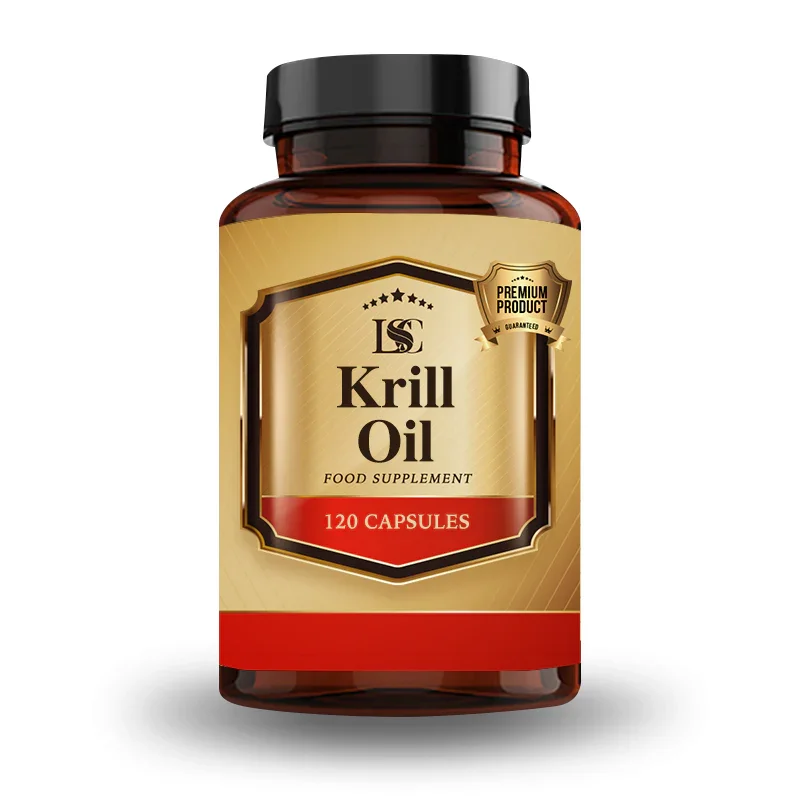
What’s Hot: LSC Krill Oil
We love this product because it offers so many advantages over standard fish oils. One of the biggest talking points is absorption. Krill oil delivers omega-3 fatty acids in a phospholipid form, which is often seen as a more efficient way for the body to use them. For customers, that means a product that feels more premium and more purposeful, rather than just another oil capsule thrown into the daily pile. There’s a growing customer interest in krill oil for brain health, with many people attracted by its reputation for better uptake and broader everyday support.
What’s Hot:
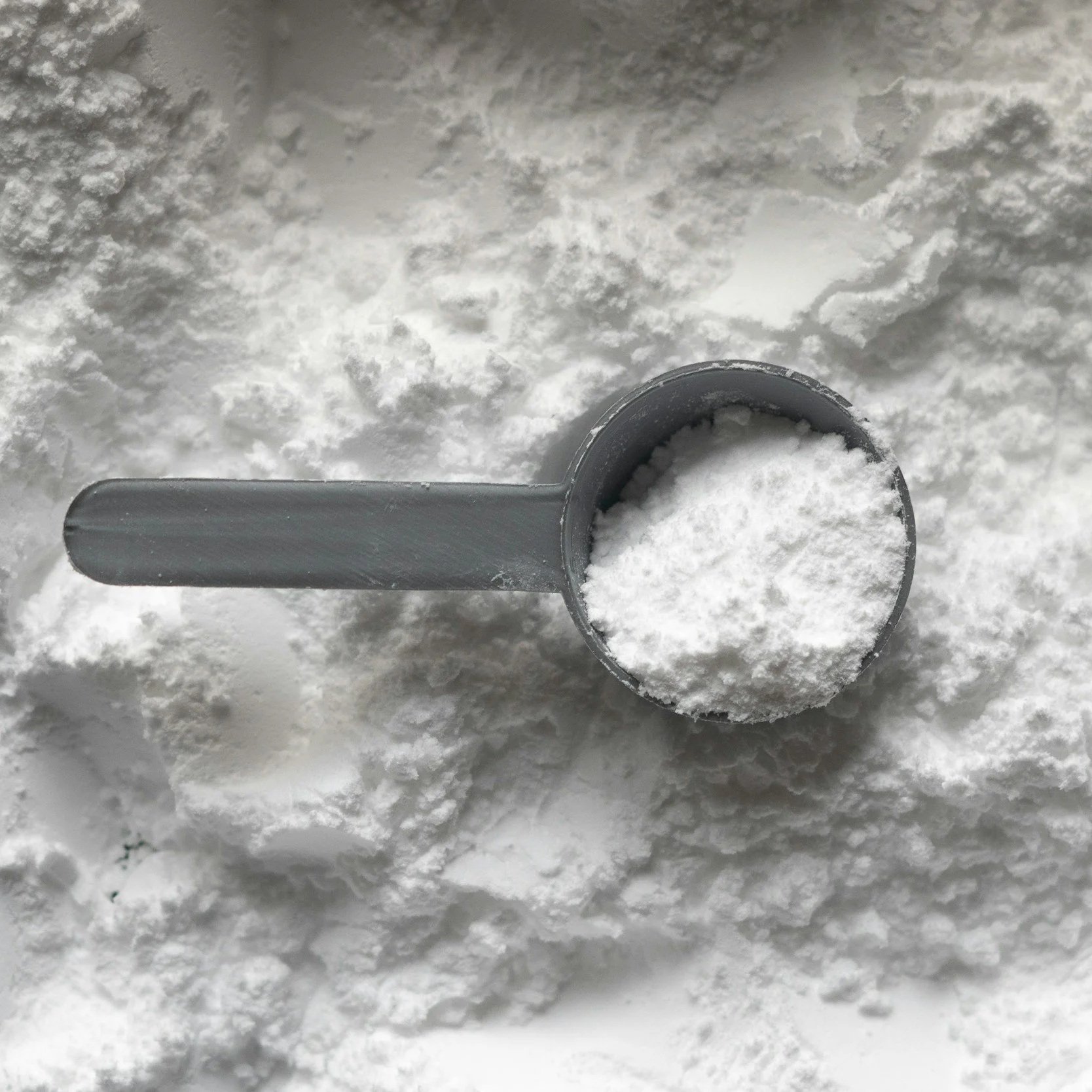
Micronized creatine
Creatine has had a massive resurgence lately – and rightly so. For years it was boxed off as a supplement just for bodybuilders, power athletes and gym fanatics chasing bigger lifts. But people are finally waking up to the fact that it’s far more than that.
We believe micronized creatine offers a superior user experience. The finer micronized texture means better mixability, a smoother product and a premium-feeling supplement that fits easily into daily use. To us, creatine can be a genuine game changer, and more people than ever are starting to realize it.
What’s Not: Over-hyped products
We spend every day having real conversations with real customers. That means we get a front-row seat to what people are genuinely looking for, which products are getting repeat results and what categories are starting to fade because marketing is stronger than formulation.
The supplement industry is full of noise. Every week there seems to be a new miracle ingredient, a flashy label or a ‘must-have’ product. But in a busy specialist health store, trends get tested very quickly. Customers come back and tell you what worked, what didn’t, and what they’re willing to spend money on again.
What’s Not: Cod liver oil
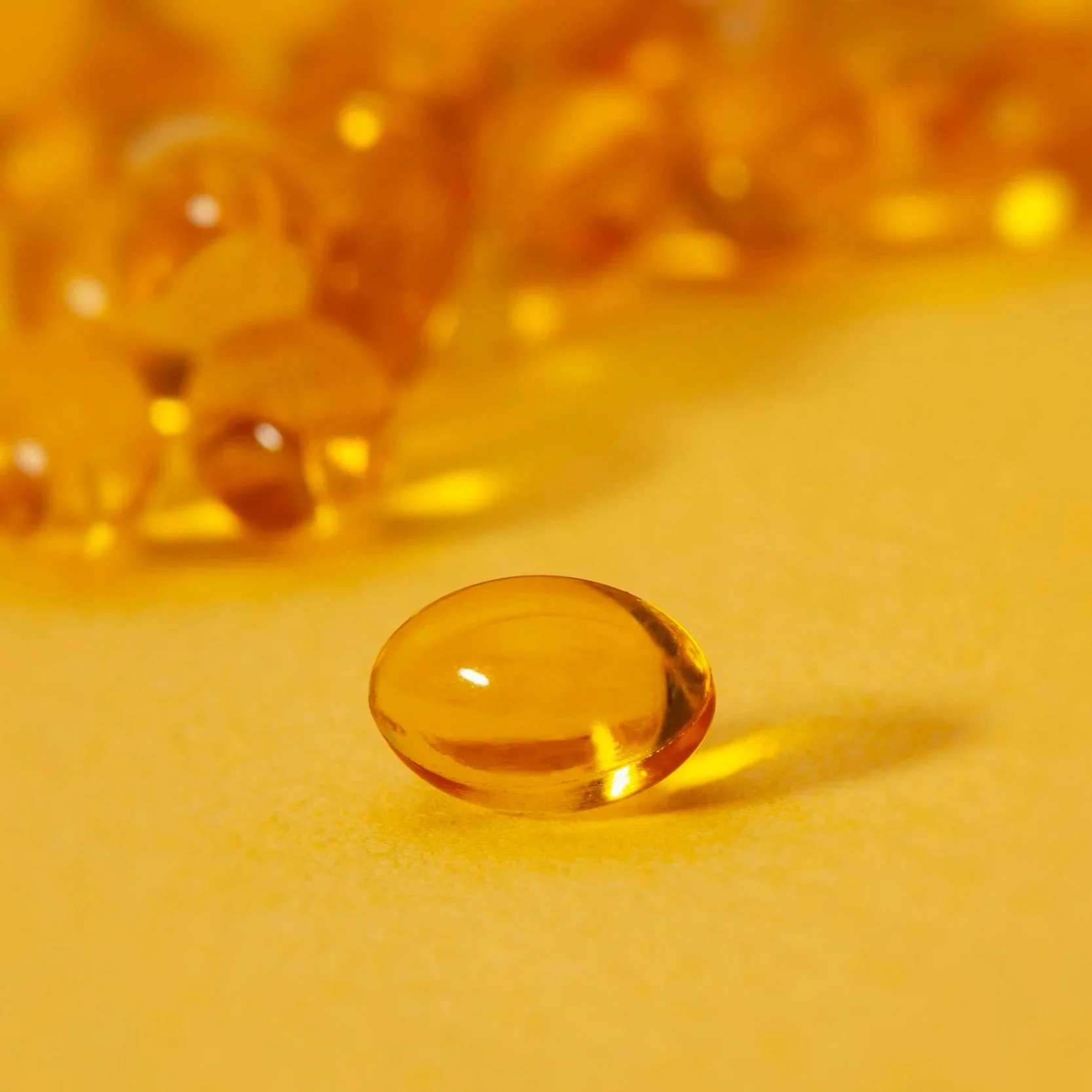
It’s been around forever and still carries that old-school healthy reputation. But longevity in the market doesn’t automatically equal quality. In our experience, many cod liver oil products are poorly positioned and poorly executed. Some are low quality, some are mixed with other ingredients to make them sound more impressive, and many promise far more than they realistically deliver.
If something’s going into a customer’s daily routine, it has to earn its place. It has to offer quality, purpose and meaningful benefits, not just ride on decades of habit and clever packaging.
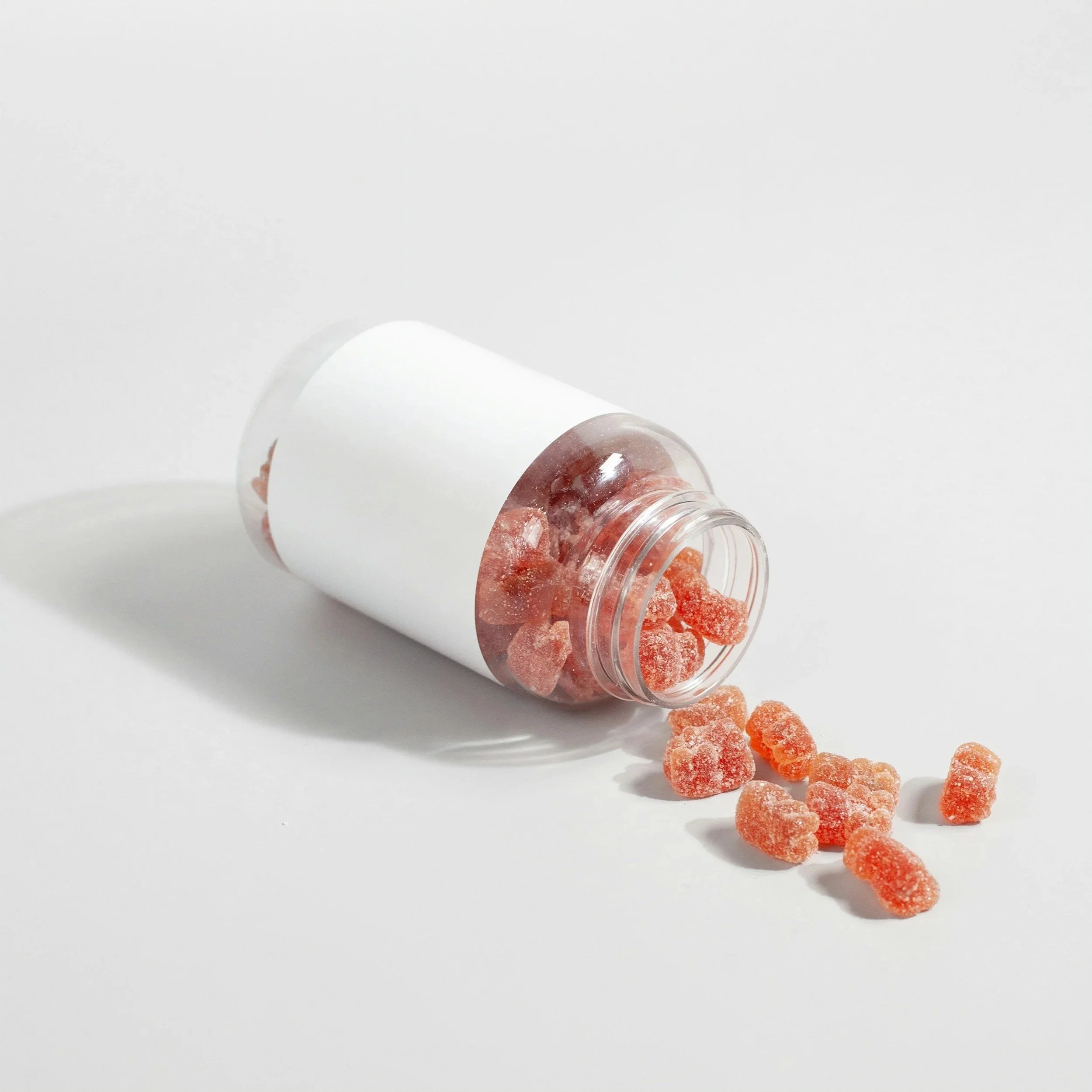
What’s Not: Creatine gummies
Creatine gummies are a classic example of the industry trying to turn a proven supplement into confectionery. They may look good on social media, but they’re often packed with extras, underwhelming doses and more novelty than purpose.
The same goes for creatine tablets, which usually mean swallowing multiple bulky tablets just to get an effective daily amount. Then there are creatine blends. In our view, many are simply attempts to dress up a brilliantly simple ingredient with extra fluff, extra claims and extra cost. Creatine monohydrate does not need reinventing. It needs doing properly.
By Mark Hamilton, The Little Supplement Company