
What’s Hot & What’s Not, feat. raye the store

Raye the store founder Nicole Compen gives us the lowdown on the strong sellers and waning trends, concluding that style without substance just isn’t cutting it.
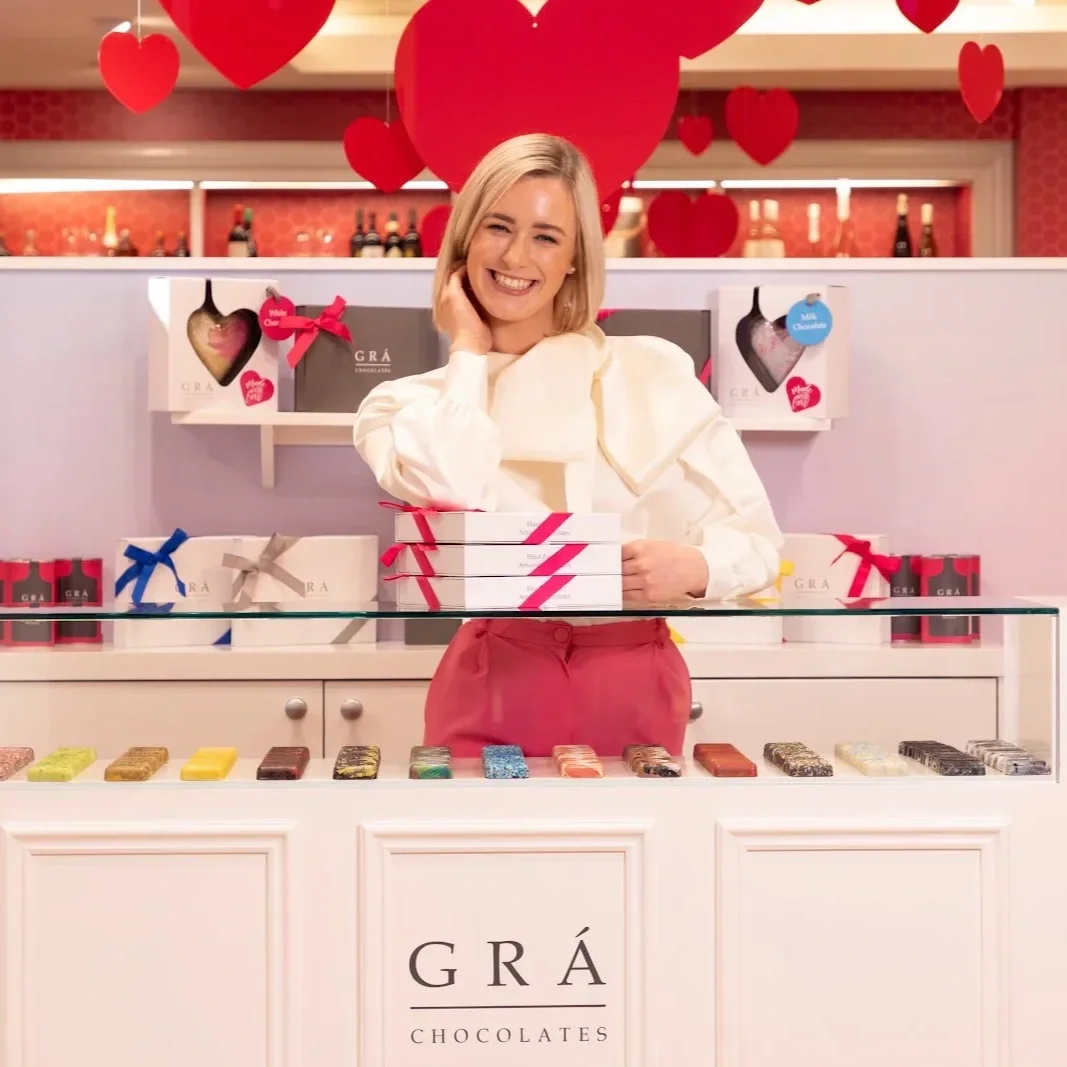
What’s Hot: Premium pantry upgrades
At raye the store we’re seeing strong momentum behind brands that elevate everyday pantry essentials into considered, premium products. Olive oil in particular has become a real discovery category for consumers, moving beyond commodity purchasing into provenance-led, design-conscious bottles that feel giftable and intentional. Honest Toil and Two&One Olive Oil are great examples of this shift – both bring clarity of sourcing and craftsmanship, while still feeling accessible for daily use. Alongside this, brands like Grá Chocolates show how even simple indulgences can feel elevated through quality, storytelling and design.
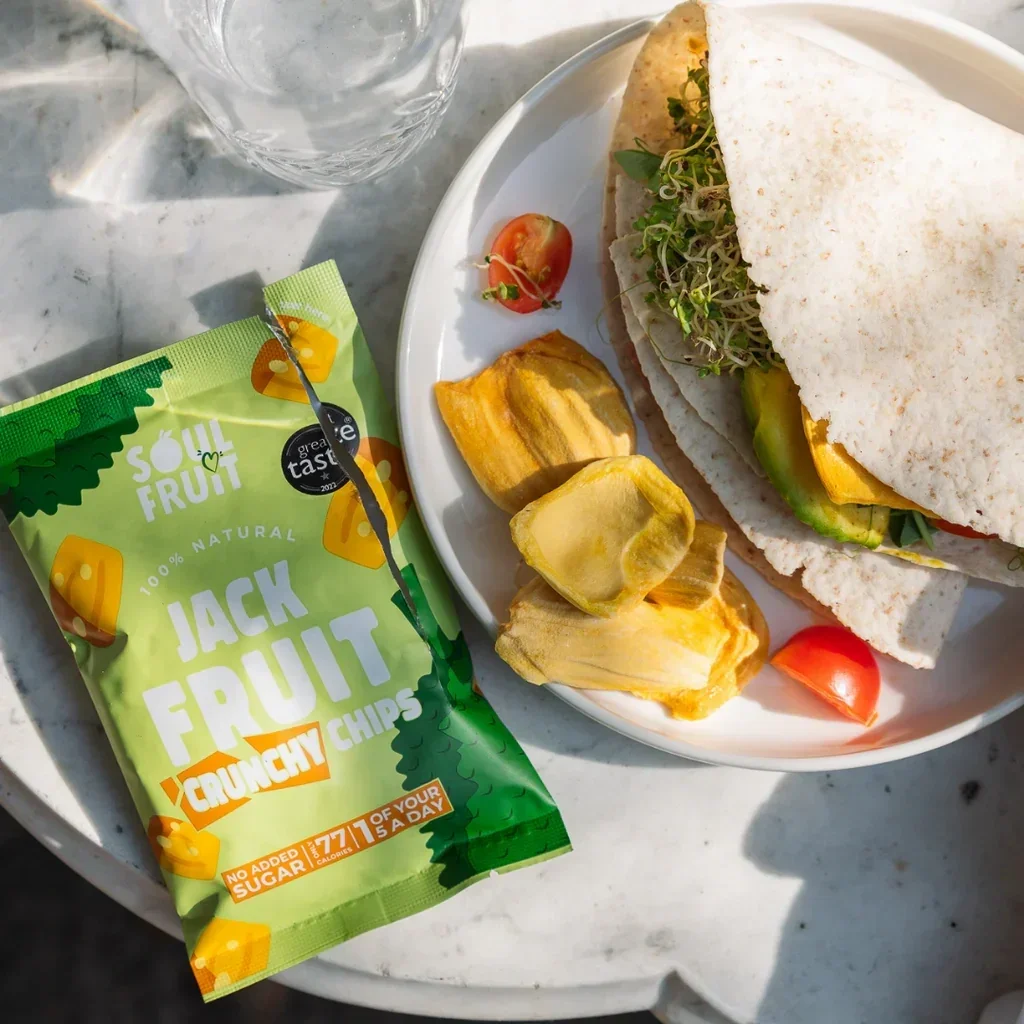
What’s Hot: Better-for-you snacking indulgence
Snacking is still a highly active category, but we’re seeing a clear move towards indulgence that doesn’t feel compromising. Consumers want treats that feel exciting and flavour-led, while still aligning with more conscious choices. Brands like Soul Fruit, Honestly I Am and The Good Grain demonstrate this balance well. They deliver joy and nostalgia, but with cleaner formulations and more thoughtful positioning. The key shift we’re seeing is that ‘better-for-you’ only works when it still feels like a proper treat.
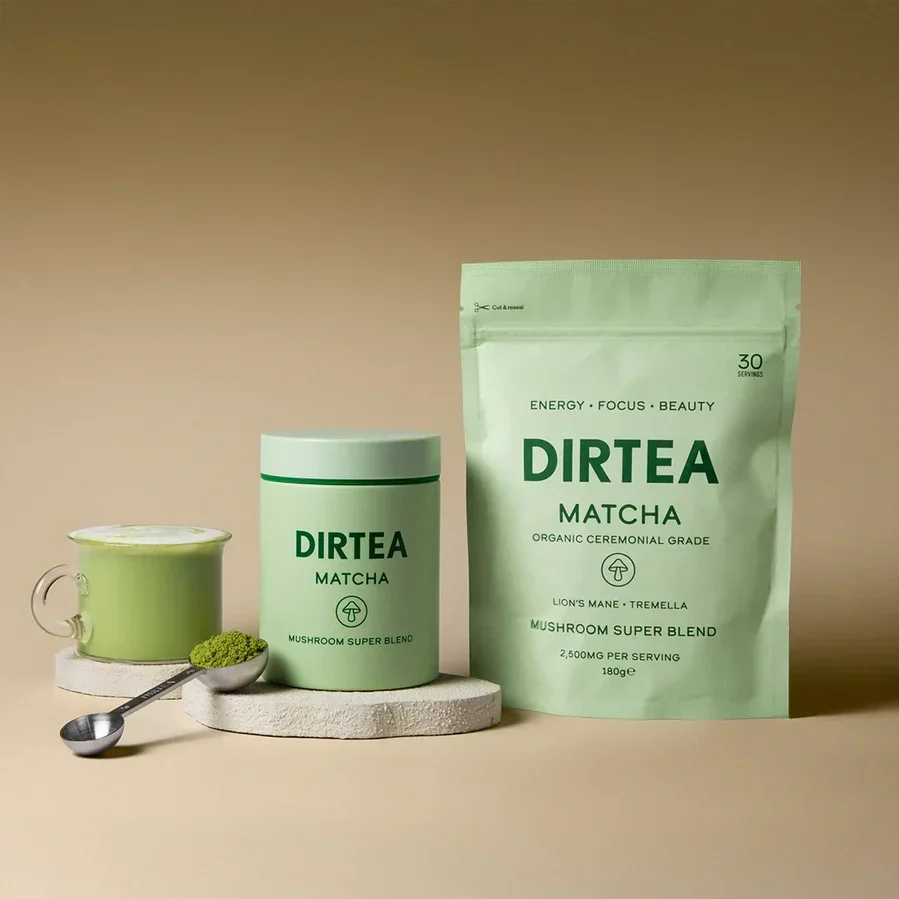
What’s Hot: Functional wellness that’s ritual-led
We continue to see strong demand for wellness products that integrate seamlessly into daily life without feeling overly medical or restrictive. Consumers are looking for small, consistent rituals that support energy, focus and wellbeing in a way that feels enjoyable. Within our community, brands such as DIRTEA and The Herbtender reflect this shift well. They combine functional ingredients with strong brand worlds that make wellness feel aspirational, not overwhelming. The most successful products in this space are those that educate without overcomplicating.
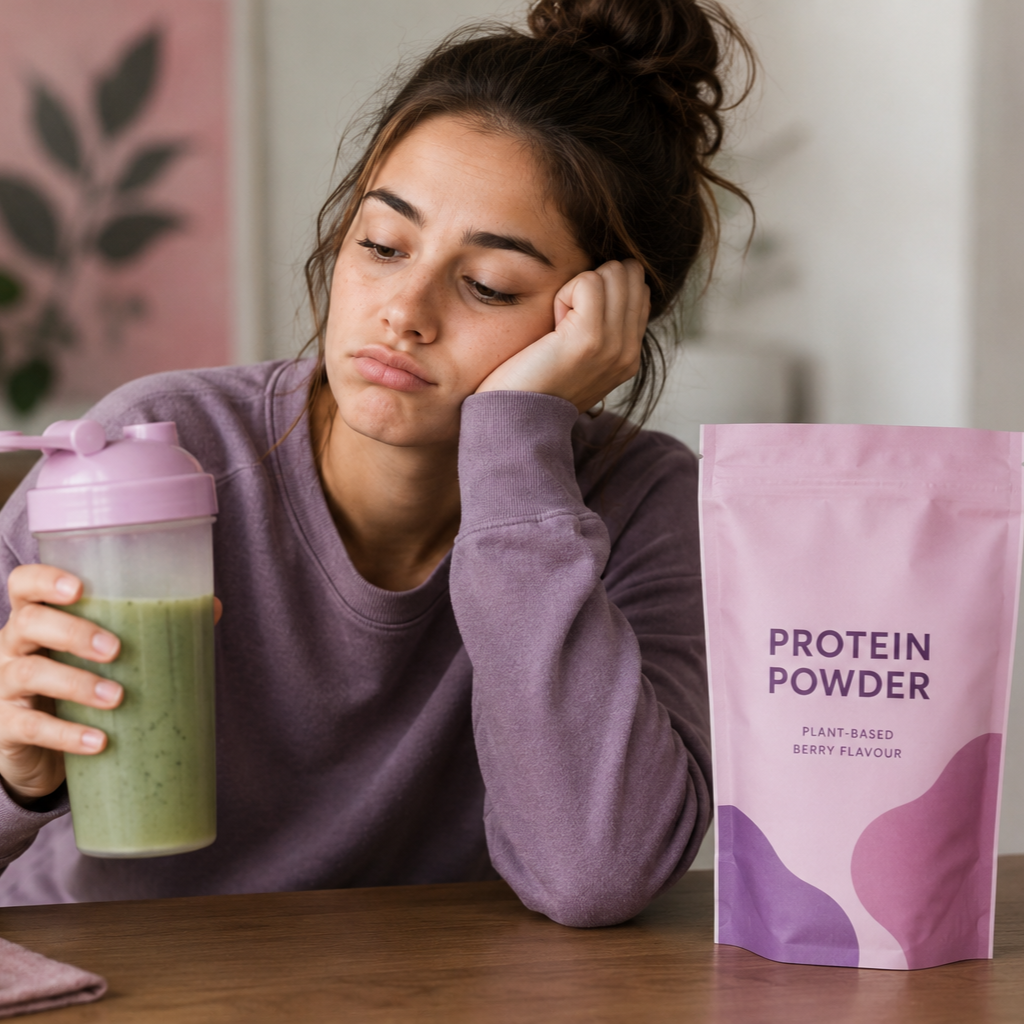
What’s Not: Overly functional enjoyment-free food
We’re seeing reduced appetite for products that lead with function at the expense of experience. High-protein, high-fibre or ‘better-for-you’ claims aren’t sufficient in themselves to drive trial, especially in physical retail. If the product doesn’t deliver on taste, texture and emotional appeal, it struggles to convert. Even within functional categories like bars or snacks, success increasingly depends on balancing benefits with genuine enjoyment and strong brand identity.
What’s Not: Trend-driven innovation without clear identity
What I think we’re also seeing in store is growing fatigue around those brands that simply chase the latest trends without having a strong core identity. We’re seeing it in many different categories, but whether it’s a superfood ingredient, a functional claim or a category moment, novelty is no longer enough to win repeat business. I believe that, when it comes down to it, the most successful brands in the raye ecosystem are those that know exactly who they are and can build consistently over time. Today, consumers and retailers are prioritizing clarity, credibility and longevity over anything that suggests short-term hype.

What’s Not: Aesthetic-led brands without depth
Strong design still plays an important role in discovery – but we’re seeing buyers and consumers become more critical of brands that rely on visuals without substance. I really think that packaging alone won’t be able to sustain momentum if the product doesn’t deliver. Across categories, brands need to demonstrate clear provenance, quality and purpose – ‘need state’ – not just aesthetic appeal. The brands that are struggling most are those that feel built for social media first rather than for long-term retail relevance.
By Nicole Compen, raye the store