
New study shows how nature can nurture wellbeing
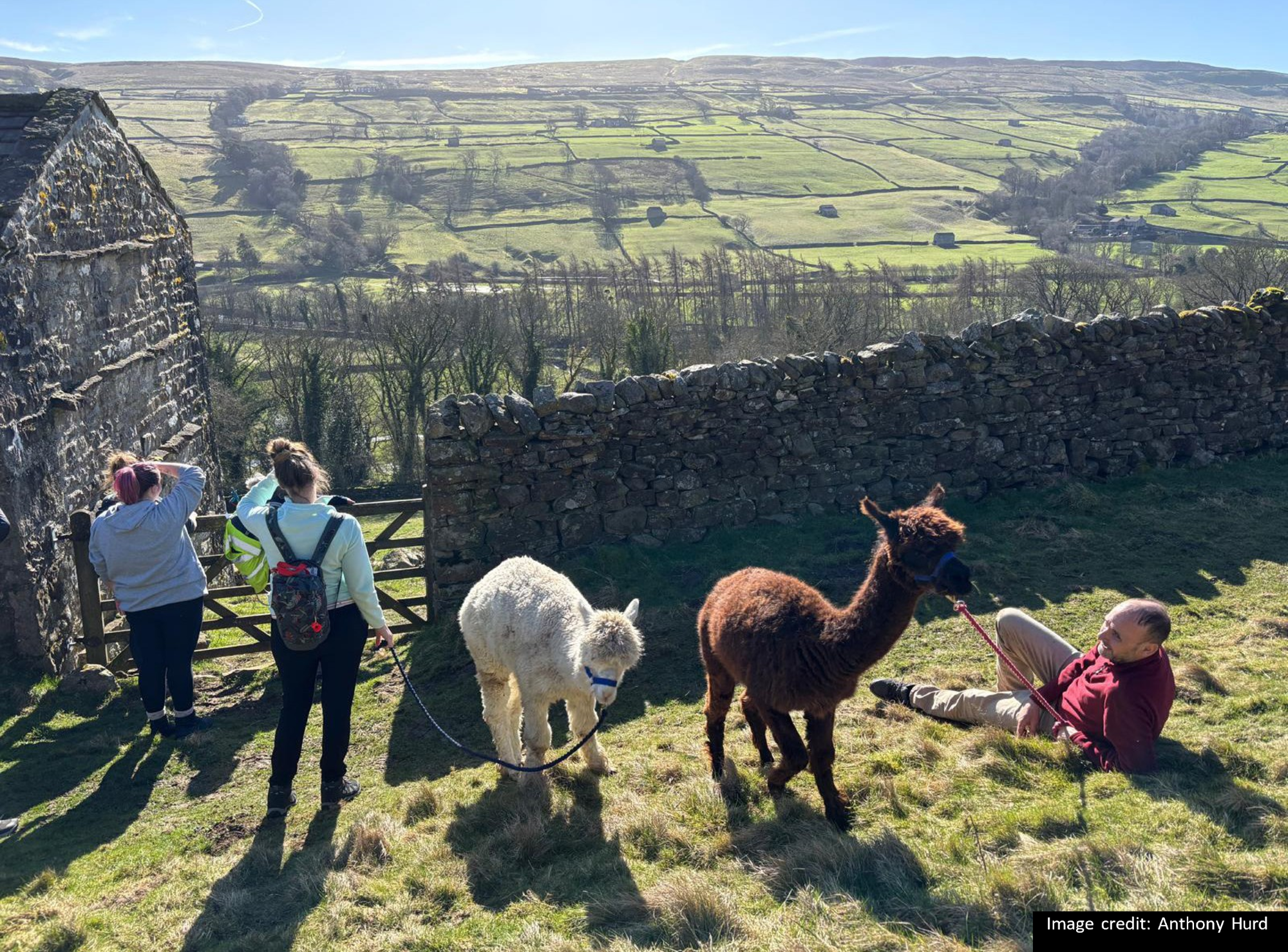
North Yorkshire is leading the way with the UK’s first Protected Landscape-led Natural Health Service, according to a new report from York St John University.
The report argues that Protected Landscapes should be formally recognized as part of national infrastructure supporting health, prevention and community wellbeing. It presents evidence that nature-based programmes across National Parks and Protected Landscapes can improve mental, physical and social wellbeing, supporting the NHS shift from treatment to prevention.
The findings follow an April 2026 Health Foundation report which found that although people are living longer, they aren’t experiencing more years in good health, and loneliness is becoming a major public health concern.
The pilot ran until March 2026 and was backed by £100,000 from the York and North Yorkshire Combined Authority via the UK Government Shared Prosperity Fund. The programme targeted those most at risk of poor health outcomes, including people experiencing isolation, long-term conditions, cancer survivorship, unemployment and caring responsibilities, as well as members of the armed forces community.
“In just ten weeks, participants experienced measurable improvements in mental and physical wellbeing, stronger social connection and reduced loneliness – all through supported interaction with nature.”
The report found that participants’ mental wellbeing increased by 24%, social wellbeing by 17.5% and physical wellbeing by 13.5%, while loneliness fell by 15.2%. People also reported feeling calmer, more connected, more confident and more inclined to be active outdoors.
“Our evaluation shows unequivocally that the Natural Health Service for North Yorkshire works,” says Dr Tom Ratcliffe, lecturer in Sustainability, Tourism and Heritage Management at York Business School, who led the research team. “In just ten weeks, participants experienced measurable improvements in mental and physical wellbeing, stronger social connection and reduced loneliness – all through supported interaction with nature.
“The task now is to embed and scale this approach so that green social prescribing becomes a routine part of prevention and early intervention across North Yorkshire’s Protected Landscapes and our wider health and care systems.”
James Metcalfe, project manager and executive director of the North York Moors Trust, adds: “We know that people are living longer, but not necessarily living well for longer, whilst loneliness and inactivity are rising and placing growing pressure on our health system. The Natural Health Service for North Yorkshire shows how connecting people with our National Parks and Landscapes can improve wellbeing, reduce isolation and help people stay healthier and more active for longer.”
The report positions Protected Landscapes as vital health and wellbeing infrastructure, supporting prevention, early intervention and community development, and highlights strong support from the professionals across health, housing and community services who were involved in the project.
However, it says that barriers remain, including unclear referral pathways, limited awareness, insufficient NHS integration and short-term funding.
A further £550,000 has been committed to expand the programme, with support from Mayor David Skaith’s Active Travel Fund. The next phase aims to reach more than 1,500 participants and 400 professionals over the next 18 months.
By Jane Wolfe, contributor