
MOMO Kombucha scales production
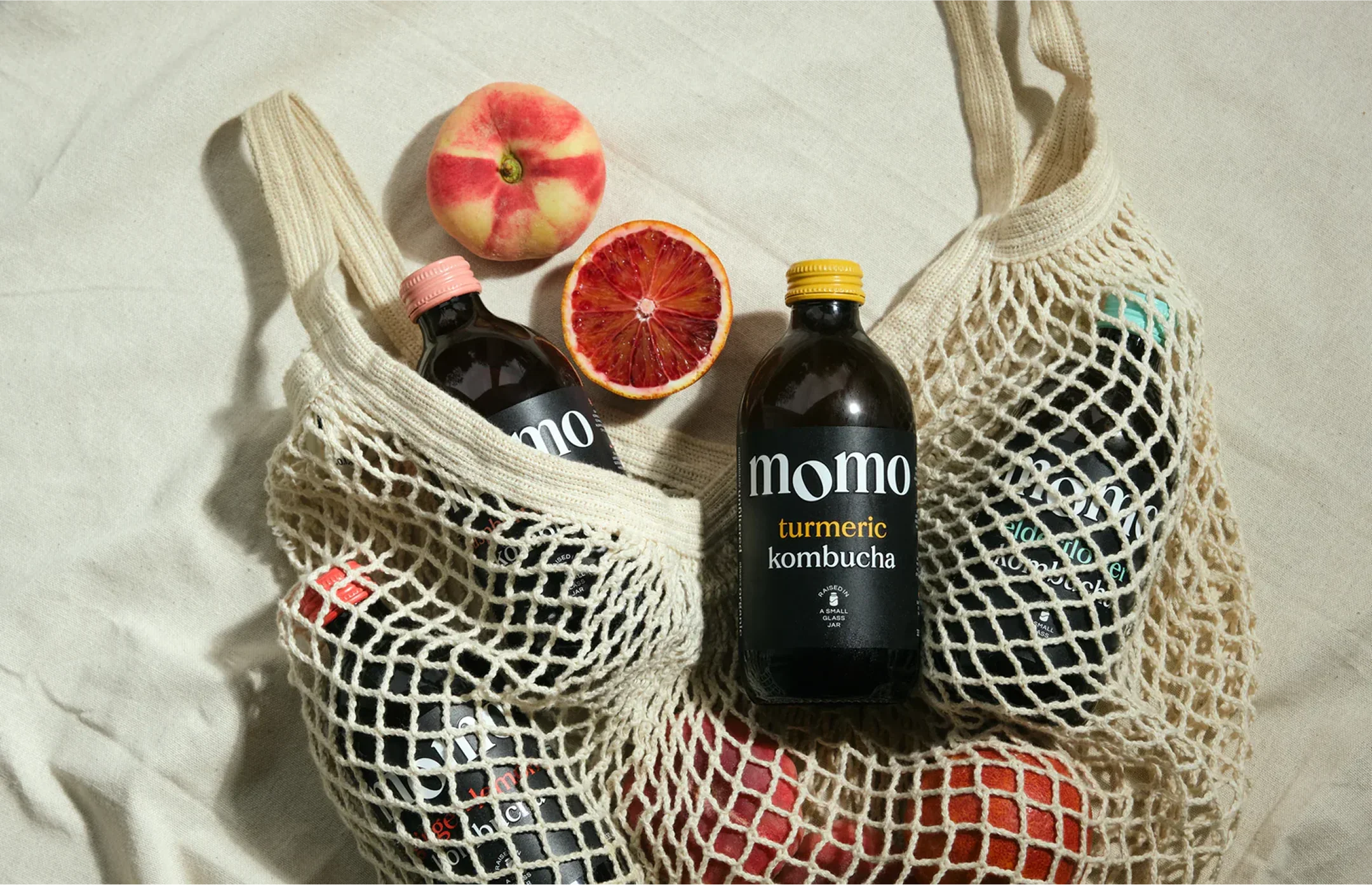
MOMO Kombucha has expanded its production capacity with a new purpose-built brewery and custom-designed fermentation vessels as the brand prepares for further growth.
The company has relocated from New Covent Garden Market to the former Brixton Brewery site in Herne Hill, bringing its operations together under one roof. The new 16,000sq ft facility will increase production from 60,000 to 300,000 bottles a week.
Innovative design
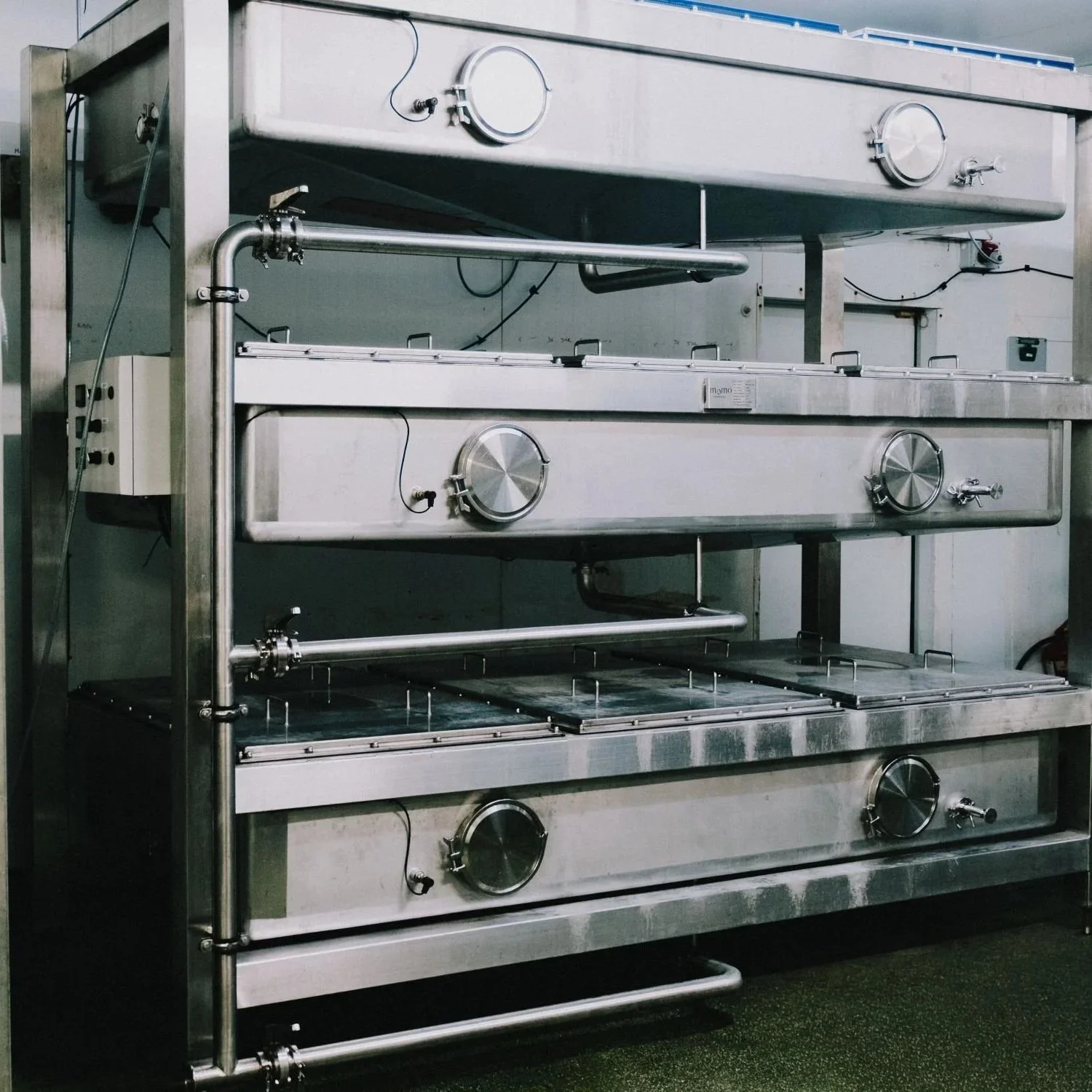
MOMO has also retired its 3,000 glass fermentation jars and replaced them with bespoke stainless steel vessels developed in-house over two years.
The new system has been designed to replicate the liquid depth and airflow of the original jars, improving flavour consistency while enhancing efficiency, sustainability and health and safety.
The automated process removes the need to manually transfer up to four tonnes of kombucha a day.
MOMO co-founder Josh Puddle says: “Lisa and I started MOMO with a clear aim to produce the UK’s best-tasting and highest-quality kombucha. That has been the number one pillar of our strategy and always will be. When we launched, fermenting in small glass jars seemed the best way to achieve that. After five years of brewing this way, we had the knowledge and confidence to take what made the jars special and engineer something even better.
“These new fermentation vessels allow us to improve flavour consistency while dramatically improving scalability, sustainability and safety. I’m incredibly proud of what our innovation manager and wider production team has designed and built. Most importantly, our kombucha remains, raw, full of live cultures and just as delicious as ever.
“This next chapter is about creating a home that matches our ambitions. I believe the kombucha category in the UK is where craft beer was 20 years ago, and it feels fitting to be giving this former beer brewery a healthy facelift. The move also brings MOMO back to its South East London roots, just a couple of minutes from where Lisa and I started the business from our home. It gives us the space to continue innovating, grow sustainably, and introduce more people to the potential of great kombucha.”
By Jane Wolfe, contributor