
Interview: Phil Haughton
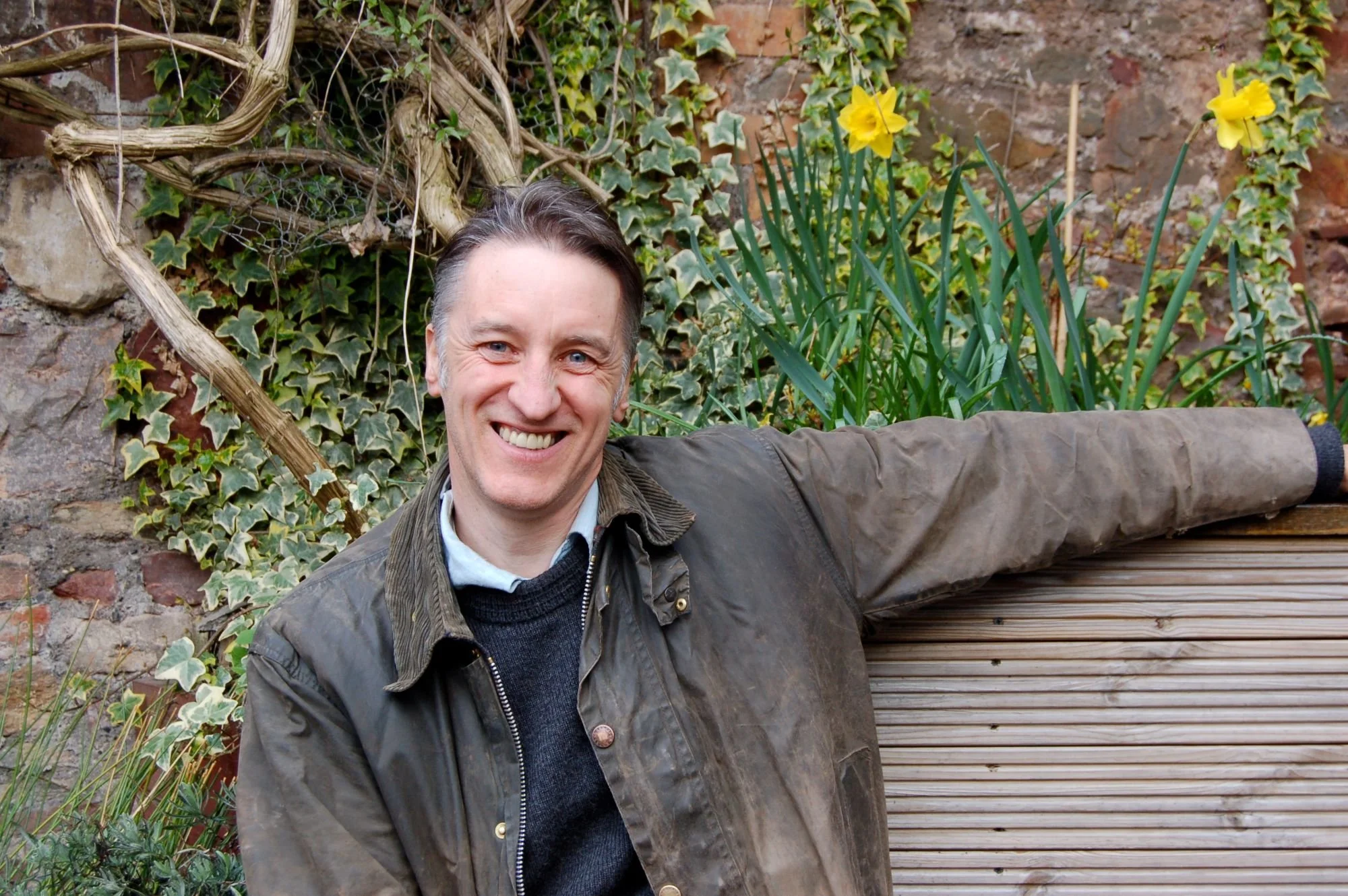
As Phil Haughton MBE steps down from his role as managing director at renowned organic retailer Better Food after 40 years, Matt Chittock hears about a life dedicated to planting sustainable seeds of change.
Anyone who reckons Phil Haughton will spend retirement pottering around his kitchen listening to Radio 4 obviously hasn’t met him. When he announced he was stepping down as managing director of much-loved South West organic retailer Better Food at the age of 67, he spoke about his desire to find more time for reflective pursuits like reading and writing. But when I catch up with him, he’s all active energy – angry about what the dangerous herbicide glyphosate is doing to our soil and passionate about the many customers who’ve helped make Better Food the organic trailblazer it is today.
“Make no bones about it, people often stretch their budgets in order to commit to shopping somewhere they believe in,” says Haughton. “They’re making a very conscious choice that this is what they want to buy rather than going to Aldi or Sainsbury’s to buy something that’s going to cost 25% less or whatever. And I really take my hat off to them. It’s not always easy to make the right choice. I’m really grateful for them doing that – for the business, but more importantly for the world and the community. They’ve chosen to believe in something good.”
Organic passions
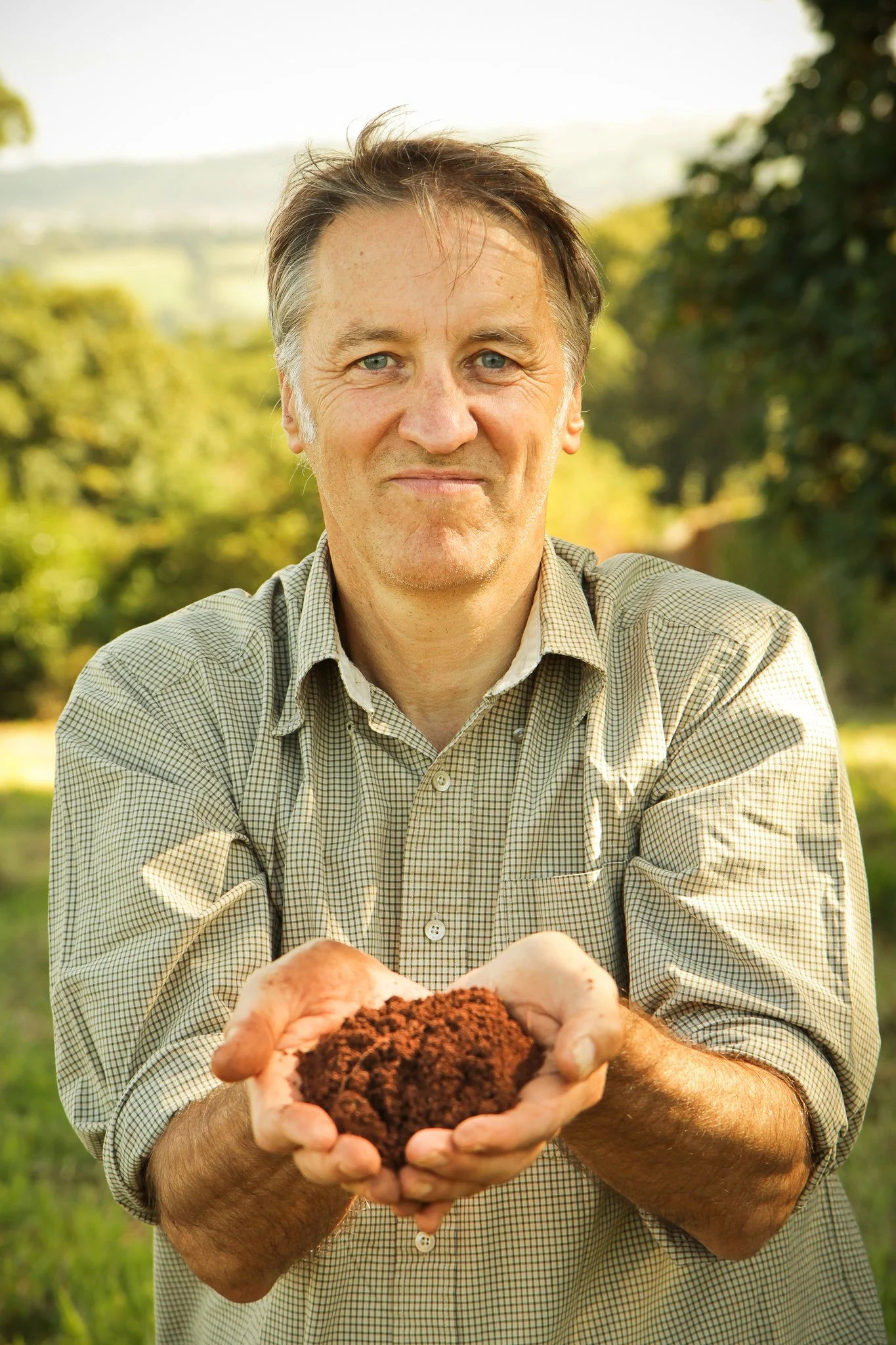
Haughton’s passion for sustainable food was sparked in his teenage years. He describes himself as a ‘bit of a lost’ teenager who was kicked out of school at 16 and found his purpose in life among the soil of an alternative community in Scotland. “I got stuck into our smallholding, and that’s when I read people like John Seymour (author of The Complete Book of Self-Sufficiency) and Newman Turner (who wrote Fertility Farming),” he says. “I got absolutely hooked on farming and organic and soil. It was all very experimental, but that’s where I cut my teeth in understanding the land and the importance of soil. And it was because I needed to be away from people quite a lot for my own mental health. I would often sit in the fields and just watch the cows and the herbal leys that I’d planted. I was actually studying and learning a lot, and it became intuitive. My approach to food, farming, soil, health, community and culture was a sort of survival tool for my own wellbeing.”
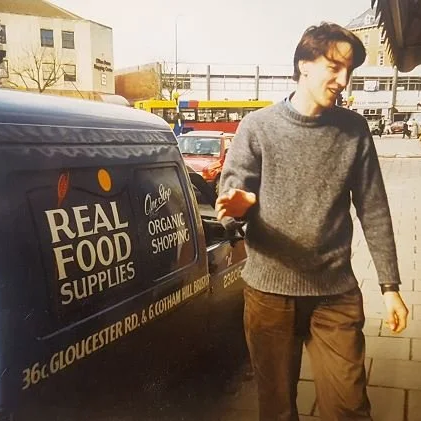
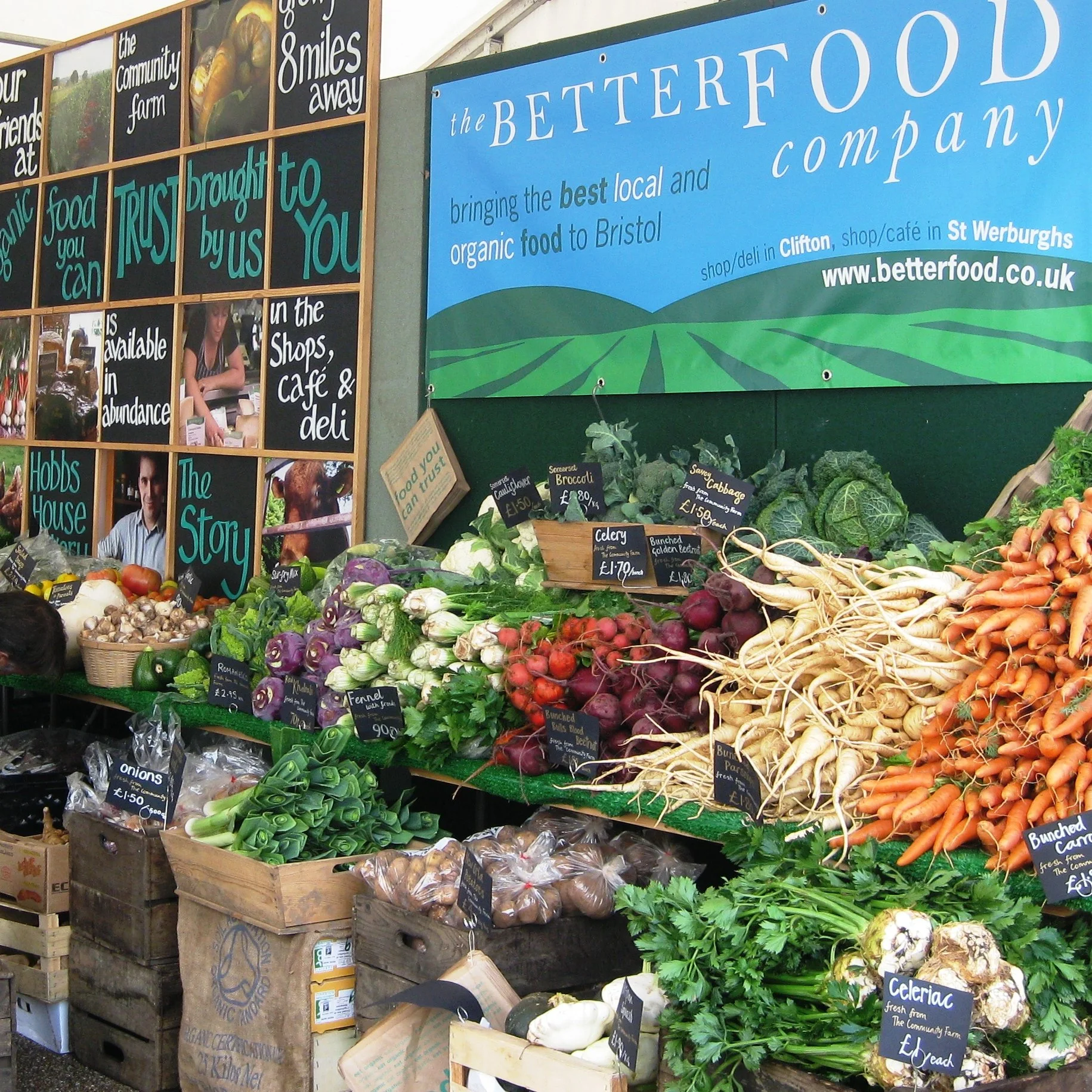
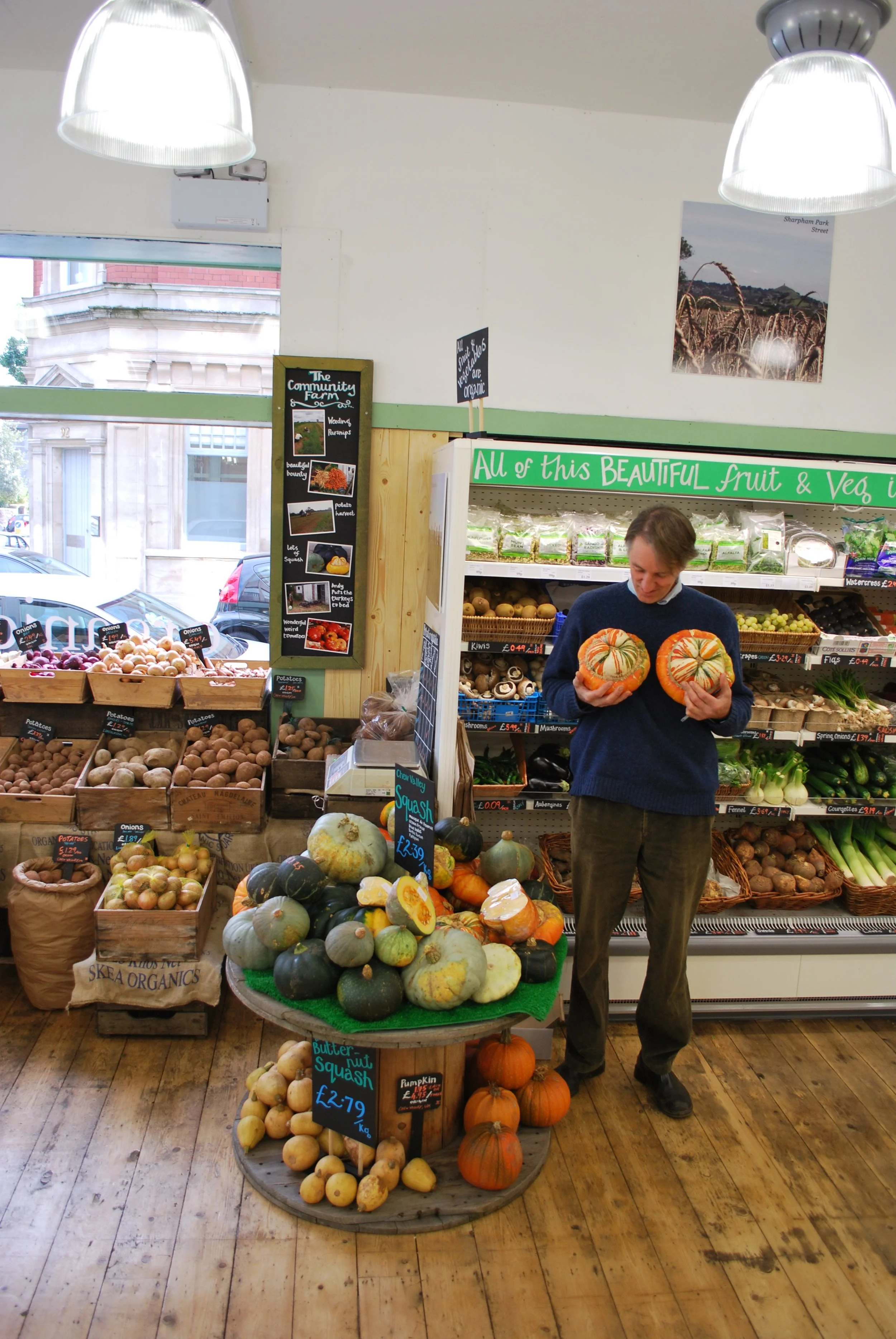
Flash-forward to 1981 and Haughton landed in Bristol, working at the Windmill Hill City Farm. After taking a free business course at Bristol University, he opened Real Food Supplies, the store that in 1984 would become Better Food. Its mission statement was something that’s echoed through all of Haughton’s work: making organic food more accessible while highlighting farmers’ stories and reconnecting shoppers with their food and the soil that produces it.
Driven by passion
Of course, in the mid-eighties getting organic food wasn’t as simple as phoning your wholesaler. And so, to be the one-stop organic shop he wanted meant hitting the road in a little blue van travelling up and down the country to source stock. Haughton says he loved waking at four in the morning and heading to Staffordshire to buy organic cheese for his store. However, making the shop a success required huge self-belief (alongside some loyal customers to embrace the idea).
“I was young, passionate and driven, with not very many checks and balances on what I did,” Haughton explains. “I’ve always been impulsive, but in those days I was super impulsive! I was only 28 and put all my passion and energy into it. And it was wonderfully received – there was just nobody else doing this in the area. I didn’t think ‘well, how long is this going to last?’. I found that the entrepreneurial side was in my bones.”
A grassroots approach
A grassroots DIY approach, honed in the smallholding, helped grow the business – even when times were tough. Haughton talks about deciding to start an in-store café in 2007 ‘when Better Food was still really skint’. As money was tight, he got materials ‘almost by borrowing and stealing’, buying secondhand beams from a farmer and starting with plates from a charity shop. “It was the best thing I did in that shop,” he notes. “People originally thought the store was too expensive. But then they could come and have a cup of coffee and see what else we did. It started to transform the business, and the shop made money for the first time.”
Today, everyone in the organic community knows and trusts Better Food. It’s testament to Haughton’s, and an army of shop staff’s, hard work. So, what advice would retired Haughton give if he could speak to his younger self today? “I think I would say ‘go find the elders’,” he says. “Mum and Dad were very much around that [alternative living] community, but once I went to Bristol it was literally just me making it up. There were no advisers or people who’d done it before. To set out on something like that as a 25-year-old now is just so radically different because a lot of the support structures are crumbling fast.”
Haughton believes it’s essential that today’s community elders connect with younger people’s passion and willingness to try new things too. “I’ve talked to people this week about some fascinating projects, and they’re looking at it in a very top-down way, saying, ‘we’ve got this vision – let’s make it happen’. What I’m saying is: if you’re not actively inviting the young generation to be the drivers, then all you’re doing is repeating old patterns. It almost smacks of ‘we know better’.”
People at its heart
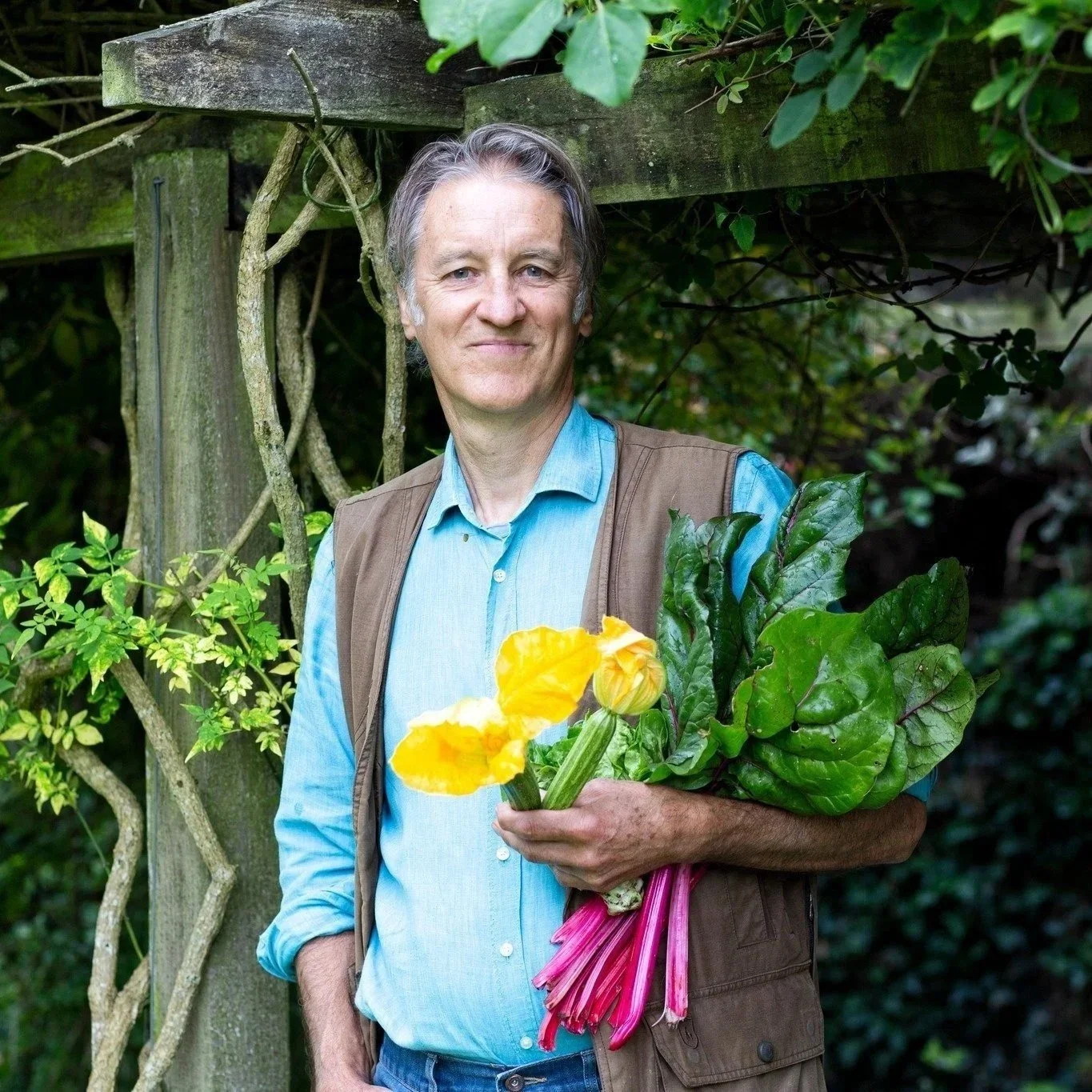
Moving forward, Haughton will balance being that elder with some Better Food work, including writing the regular newsletter. But he’s passed the store’s day-to-day running to Craig Hawthorn and the leadership team. “At its heart, Better Food is all about the people,” says Haughton. “The thing that I’m most proud of is starting something that people responded to and loved – people who wanted to work for us as staff members.”
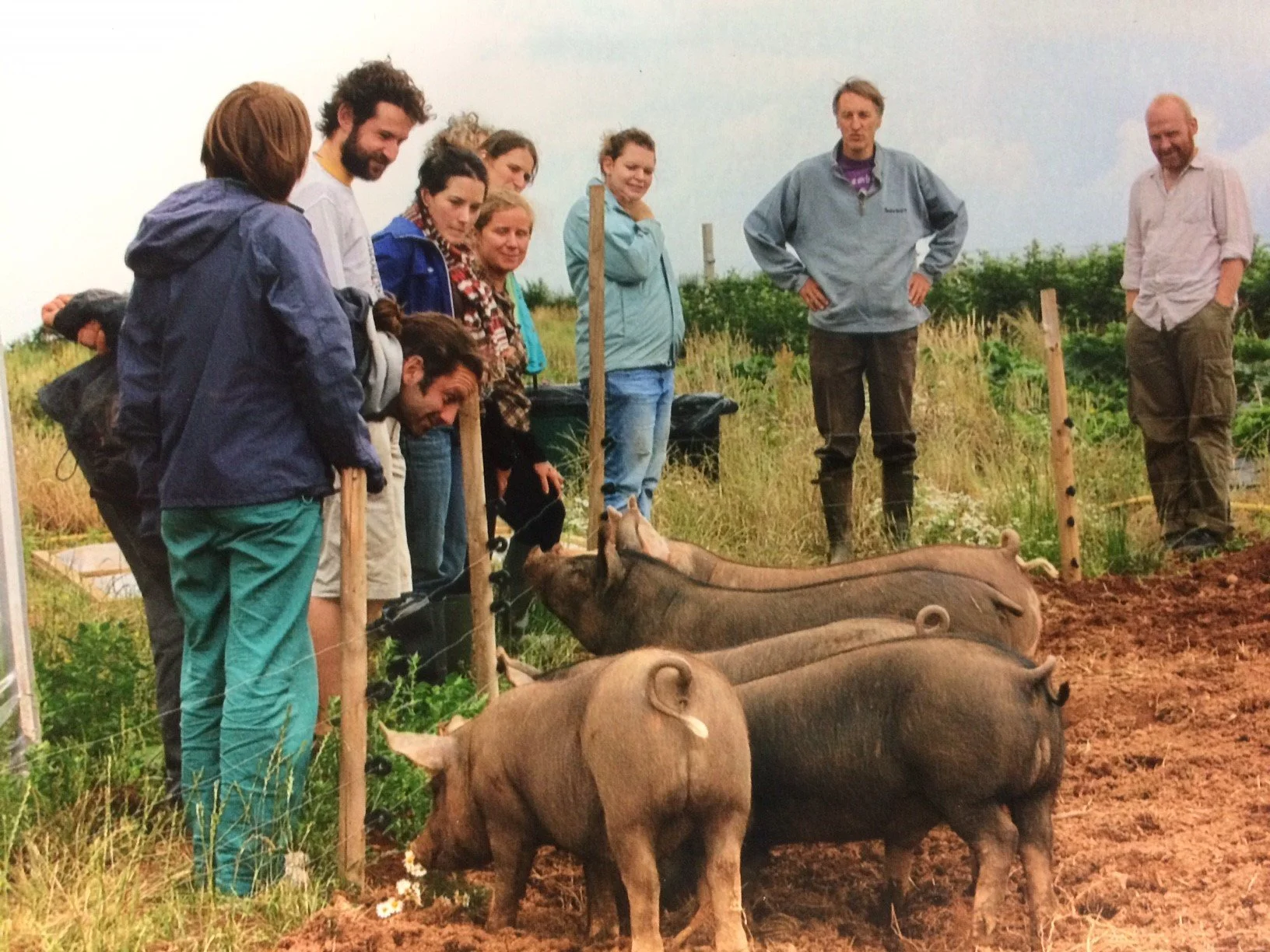
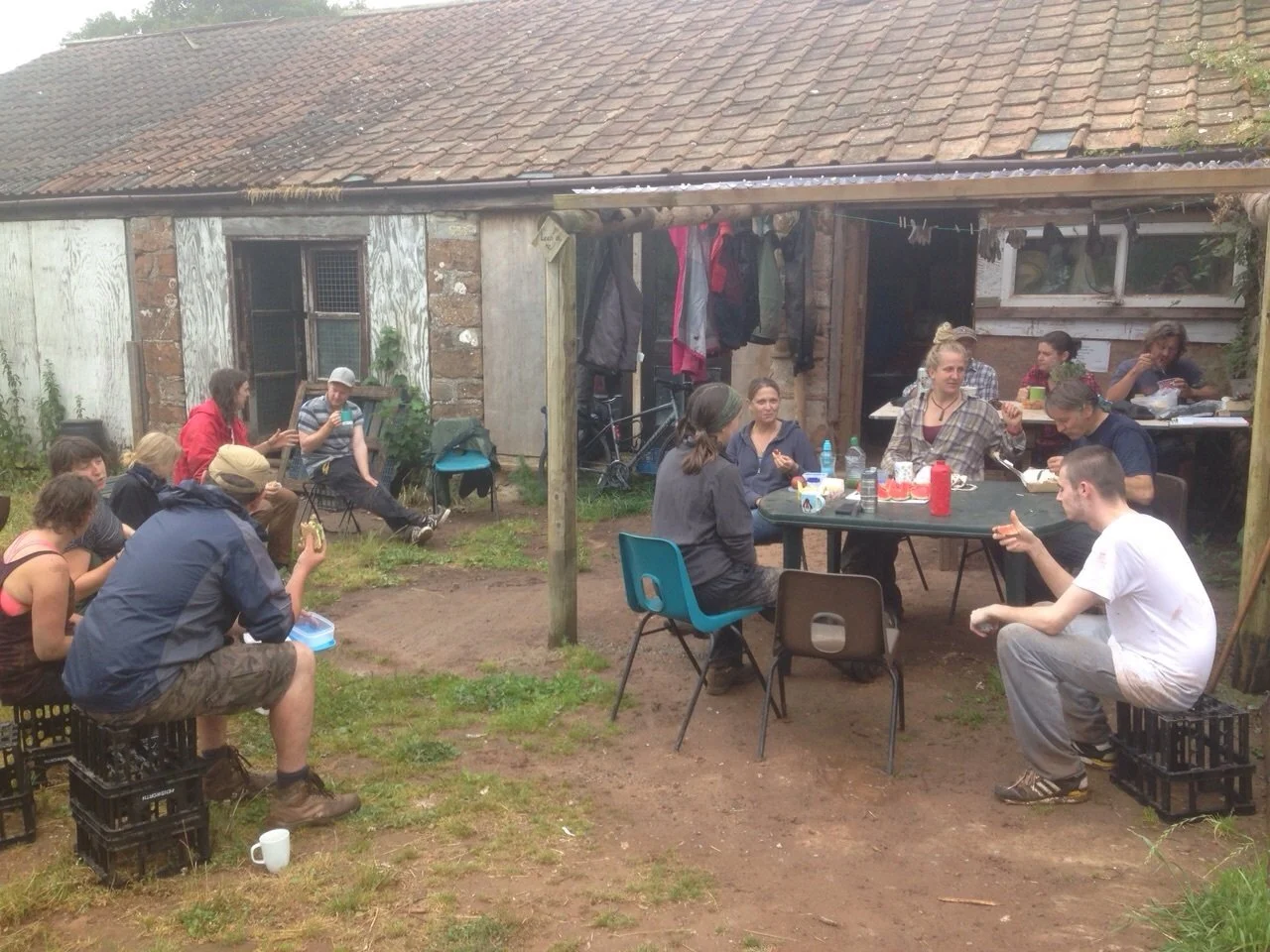
Haughton estimates there’s probably been two or three thousand people who’ve come through the business as staff. He says that this includes ‘some people I fell out with – or those that thought I was a right arsehole!’. “But all these wonderful people were touched by something that I’d started and wanted to be a part of it in some way. That’s very much still the case today. When you look at the motivations for people who work for Better Food, it’s because they want a different world. They want a better world. They want better food. And it’s an opportunity to find out a little bit more about that and be a part of something that’s bigger than just the same old world. I’m grateful for them.”
By Matt Chittock, acting editor