
Interview: Obvs Skincare founder Sian Louise
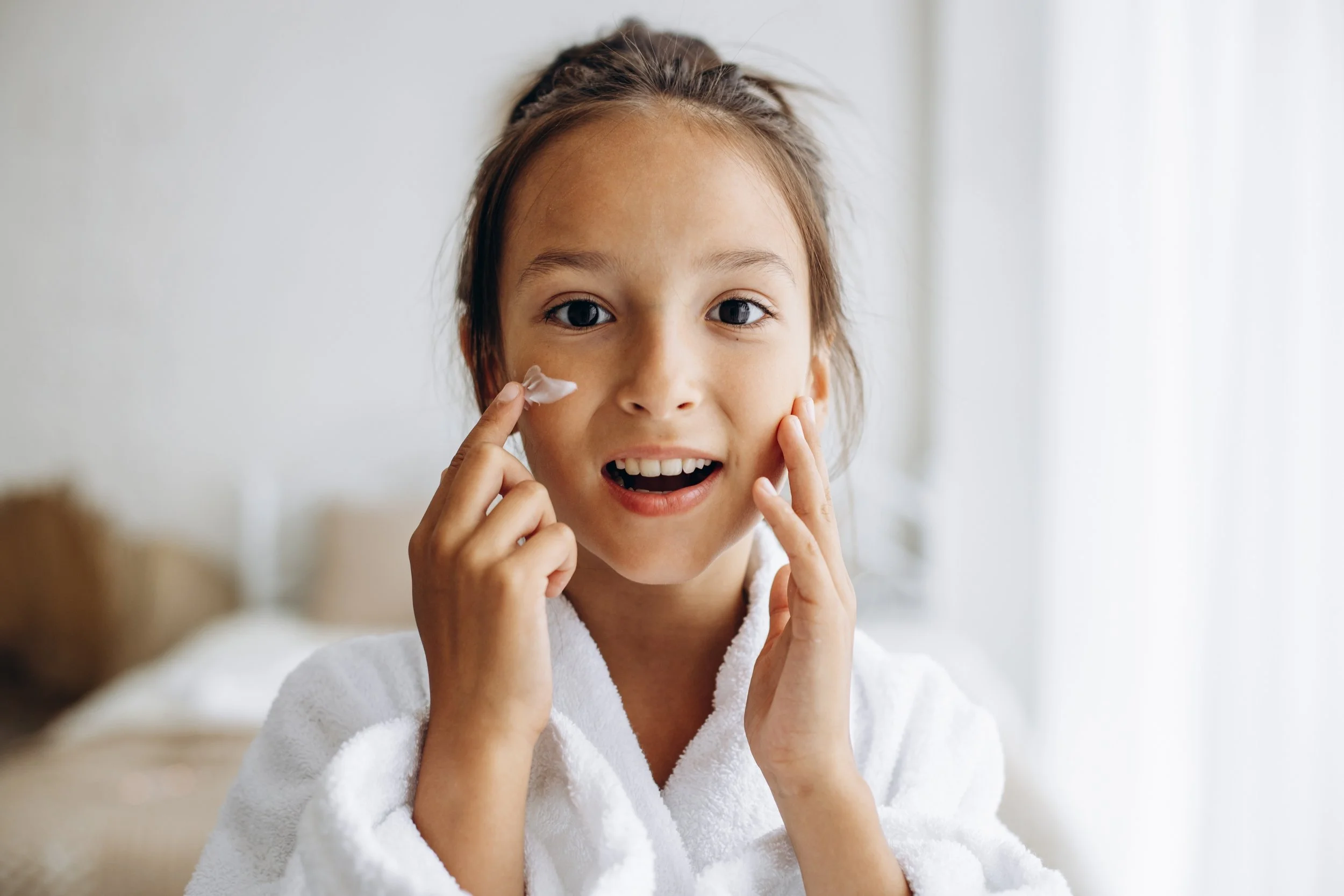
Big Beauty is luring kids as young as four towards a lifetime reliance on skincare products. Sian Louise from Obvs Skincare tells Rosie Greenaway why this toxic culture must end now.
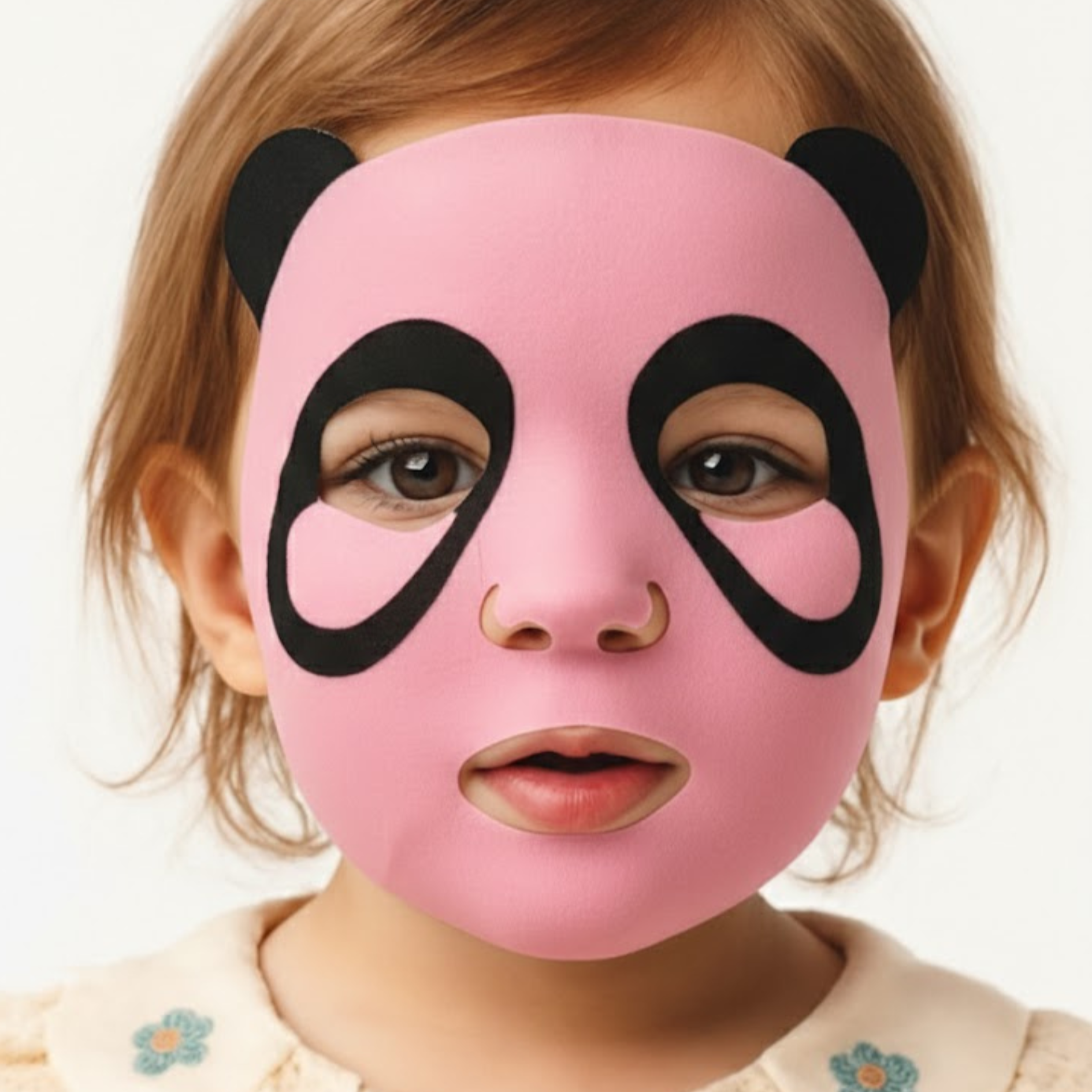
“There are moments in beauty where you genuinely wonder whether we’ve all quietly lost the plot. This is one of them. When I saw sheet masks being marketed to children as young as four, I had that familiar pause, the one where your brain shouts ‘Hang on, this is actually dangerous’. And not in a dramatic way. In a calm, biological, skin-science-is-not-a-game way. Kids do not need face masks. They do not need sheet masks. They do not need a ‘routine’. Their skin already does the job. So, this blog isn’t about one brand. It’s about the much bigger, and honestly, much darker issue behind the trend.”
These are the opening lines of a frank blog post from Obvs Skincare founder Sian Louise, as she laments the way the beauty industry – and certain mainstream brands in particular – have turned childhood into a profitable market, entrapping kids as young as four in skincare routines they don’t need and will later regret when their damaged skin barrier becomes reliant on multiple products to fix problems caused by a premature introduction to skincare.
“The bigger and darker issue behind the trend is that childhood is becoming a market segment.”
From speaking to Louise, it’s clear from the outset that although a recent study showed that around 46% of parents had bought skincare for children aged between six and 11 in the last few months, she places no blame on the parents themselves. Rather, she says, they’re pawns in a bigger game being played by beauty titans.
“The bigger and darker issue behind the trend is that childhood is becoming a market segment. Brands are making [kids] into their own market sector, trying to get them in the funnel as soon as possible. They’re creating a problem that isn’t there and when you create that problem you create that customer. It’s not a coincidence: it’s a business model. What they’re trying to do is target the parents to make them feel guilty: ‘Get your kid off their phone and get them in a face mask so you can have quality time together. Teach them self-care’. But that’s not quality time for a child. They want to be making mud pies and getting mucky. It’s not the parents’ fault. They’re just responding to a culture that is being aggressively marketed at them. I don’t blame parents for buying what the industry is pushing; I blame the brands for pushing it.”
For the impressionable ‘Sephora kids’, as they’re now being called, the pretty, pink packaging works like a charm, so who can blame them for falling for blatant exploitation and jumping on the bandwagon? “They just want to do what their friends are doing. They want to have the newest skincare because it looks fancy. They’re going to do it anyway, whether the parents say yes or no.”
The toxic shift from face painting to contouring
“We all know that kids don’t need a skincare routine. They just need soap, SPF and if they’ve got a skin issue, say eczema, then they need an emollient. But brands are conditioning children to think that self-care is skincare and teaching them at a young age that you must put stuff on your skin if you care about yourself. That culture is so unbelievably toxic, in every sense of the word. When we were kids we’d have face paint when we went to a party – now the kids are more worried about contouring.”
Noticing that mainstream beauty is pushing ‘questionable, frustrating’ ingredients on young skin, Louise took a deep dive into the formulations of several well-known products and was appalled to uncover ingredients she says as a skincare scientist she wouldn’t even use on adult skin, such as the microplastic carbomer.
“There was a study done by WWF that said we consume around a credit card of microplastics a week. If you think, children’s skin is about 30% thinner than ours, that means it’s going to absorb more. I’m just using carbomer as an example – it’s a cheap, petroleum-derived synthetic polymer. Over time that can accumulate in your organs. I saw another study saying that out of 64 [pregnant] participants, microplastics were found in all their placentas. So it’s starting even before you’re born.” She also found additives which actively dry the skin out. “But it’s okay, they’ll probably bring out a moisturizer for that! Once they’ve started a kid on skincare, they’ve already damaged the skin barrier so they’re going to be a lifelong customer. It’s a vicious circle.”
Uncovering hidden truths
Louise notes that while it’s not the natural and organic brands deliberately targeting children ‘because they’ve got heart and soul’, our corner of the beauty industry isn’t always squeaky clean, so she’s doing her best to uncover some hidden truths in the interests of consumer education. “I’ve been arguing a lot with B Corp. They’ve been trying to get me to sign up – I don’t need to because the Soil Association’s the gold standard anyway. And B Corp in my opinion are greenwashers: they are certifying brands, saying they’re sustainable when they’re not.”
“Consumers can’t even rely on apps like Yuka now,” she adds. “I’ve had many arguments with Yuka because they greenwash and they’re not as independent as they make out. So I feel like my job as a skincare scientist is to talk about the ingredients you can look out for and equip the consumer with the knowledge of what red flag ingredients are so they can make their own informed purchasing decisions. Because what are parents supposed to do? They’re not going to spend years like I did in science education. But they don’t need to rely on this marketing rubbish either.”
Pondering what else can be done, Louise invites other smaller brands to join her in calling out Big Beauty. “Don’t think of it as competition, think of it as collaboration. We’re all in it together, taking on the big boys and trying to get that education across without scaremongering. If you start saying things too extreme, people switch off. Just come in with a neutral, non-biased breakdown of some of the ingredients to look out for. That will go a long way. And if someone could bring out an app that was trustworthy that would be ideal. We also need intelligent journalists who speak the truth, who aren’t easily led.
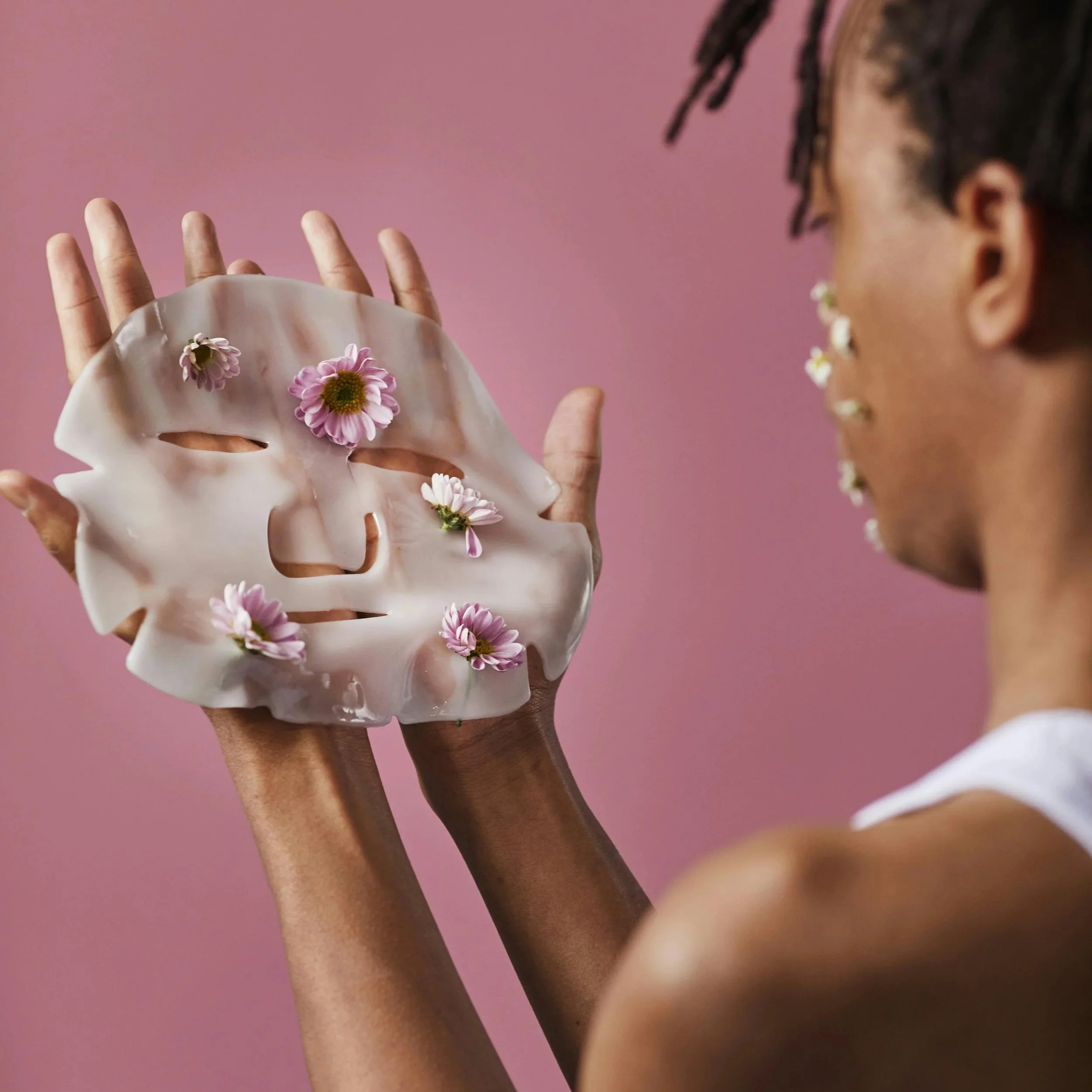
“I feel like this whole sheet mask trend has come from social media because it looks different. It’s terrible for the environment because you’ve got extra packaging and have to stuff it full of preservatives so it doesn’t go mouldy. There are so many more eco, effective ways of wearing face masks.
“This isn’t anti-beauty, it’s more pro-childhood. Kids don’t need beauty routines: they need adults and brands to stop normalizing it at four years old. When we get to the issue of parents wondering what they can do when their kids want to copy them, I was thinking of putting together a quick Reel on how you can make your own [products] at home. It’s fun. But I think the main message behind it is ‘Make sure your kids know that they do not need this’. Instil in them that it’s not their skin that makes them good people. Instil that confidence in them that they don’t need anything on their face to make them beautiful.”
By Rosie Greenaway, editor