
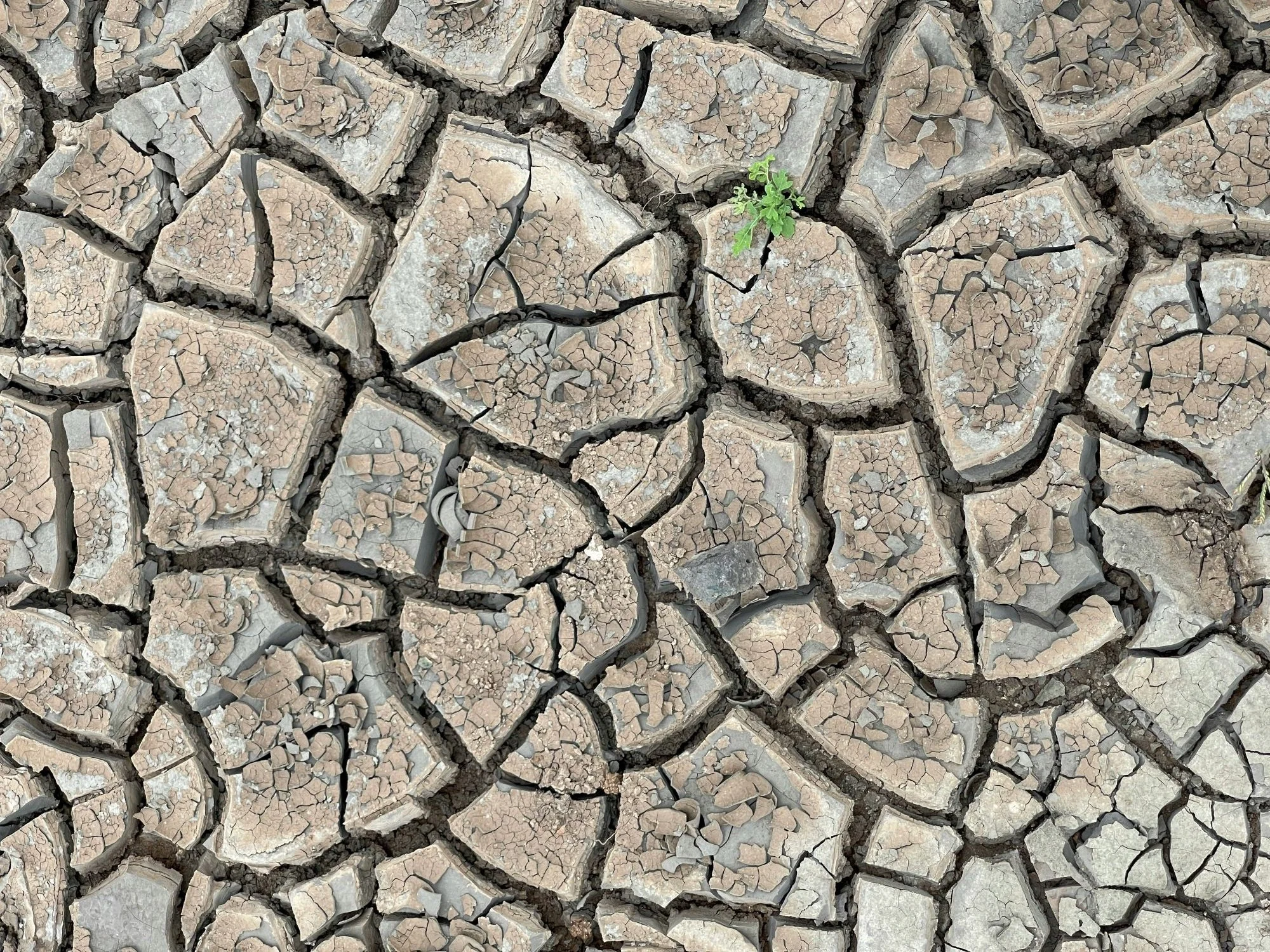
Image credit: Radhey Khandelwal, Unsplash
As the climate crisis sparks rising costs at the health store checkout, Matt Chittock finds out how brands working to change the world can fight back.
The climate emergency has arrived at the doorsteps of UK health stores – and it’s hitting customers right in the pocket. As the world warms, brands are being forced to put prices up or absorb rising costs, which is resulting in upset shoppers at the checkout. Arguably, people who are angry that their favourite products have gone up 50p aren’t the worst victims of the climate emergency when others are losing their homes and jobs in more vulnerable parts of the world. But it is evidence of how a changing climate is starting to have an effect on everyday lives right here in the UK.
The fact is that rising temperatures are reshaping the global food system. Take a food cupboard staple like olive oil. Drought and disease in key producing countries like Greece (plus political instability worldwide) sent prices soaring in 2024 before settling again more recently. And that’s before factoring in the impact of food inflation. This led to big producers offering blended products to mitigate the effect and supermarkets finding more space for cheaper home-grown lines like rapeseed oil. But this didn’t stop raised eyebrows in the aisles, with customers used to lower prices wondering why they were now paying quite so much.
The same is happening for food and drink closer to home. Record temperatures and spreading drought cost Britain’s arable farmers more than £800 million in lost production in 2025, leading to one of the worst harvests on record. This also fed into price spikes as supplies waxed and waned.
Supply issues
Wherever you look, supply chains that once seemed secure now appear much more susceptible to supply shocks and price fluctuations because of climate change. “We mainly notice the effects of global warming through poor availability or price increases in our raw materials,” says Tim Elsinga from FZ Organic, which owns Dutch crisp brand Trafo. “This is because the climate is changing to such an extent that suppliers are unable to harvest optimally due to temperature changes or heavy rainfall. This leads to product shortages or the need to grow crops in multiple locations to meet initial demand. If there is a poor harvest season, we will have to pay a higher price for the same amount of raw materials.”
Elsinga adds that most price increases are minimal and that FZ is trying to absorb these rises rather than passing them directly on to consumers.
Volatile cocoa market
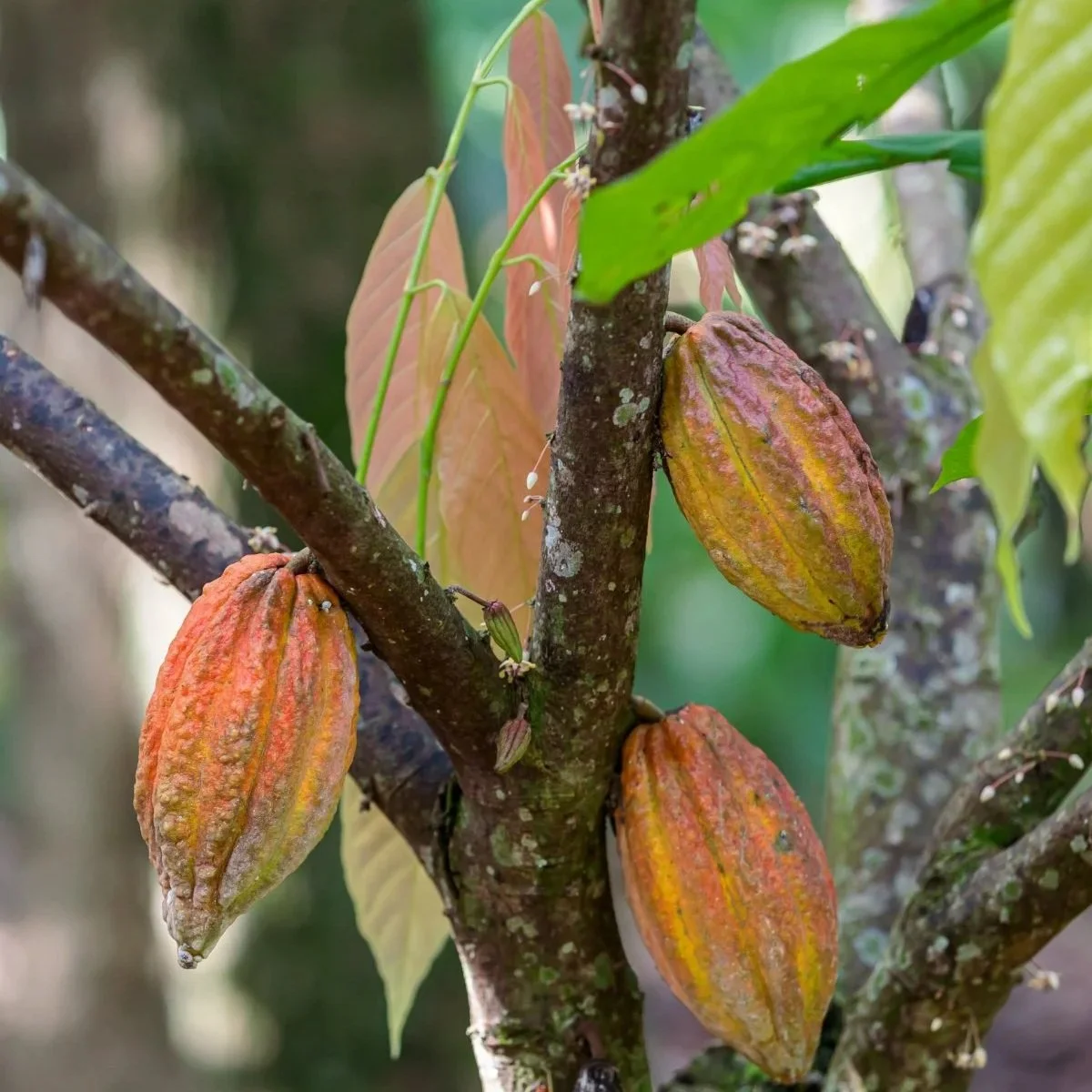
Climate-driven price increases are particularly pronounced in cocoa. As Alexander Kuhlmann, head of marketing and PR for premium chocolate brand Vivani explains, global cocoa availability has tightened significantly following consecutive weak harvests. This has triggered extreme price volatility since 2023. Although prices have eased slightly at times, they remain far above pre-crisis norms.
“Climate change is a key driver behind today’s cocoa shortages,” Kuhlmann says. “Cocoa cultivation is extremely sensitive to weather conditions, and recent years have seen more frequent extremes in key growing regions. Excessive rainfall has contributed to fungal diseases and crop losses in West Africa, while prolonged droughts and heat stress have affected both African and Latin American origins.
“These effects have been exacerbated by climate-change-amplified El Niño patterns. The result is lower yields, higher variability in bean quality and increasing uncertainty for farmers and brands alike. For chocolate manufacturers, this translates directly into higher costs, tighter competition for certified cocoa and growing supply risks.”
Long-term resilience
For brands that exist to do good, the challenge is clear. But while bigger companies rely upon on-the-fly reformulations with poorer quality ingredients to get by, or shrinking popular lines to boost profits, how can more ethical players take action? With a mix of smarter supply strategies and taking practical steps to stop the Earth warming much further.
For Vivani, mitigation is about long-term resilience not short-term optimisation, says Kuhlmann. “Vivani works closely with small organic cooperatives, particularly in the Dominican Republic and Panama, and places strong emphasis on fair payment and stable partnerships,” he notes. “At the same time, we plan procurement carefully around harvest cycles, as cocoa can only be sourced at lower prices when market conditions align with actual harvest periods. Importantly, we do not compromise on recipes or ingredient quality by substituting cocoa with cheaper alternatives.”
When prices do have to rise, Lazaro Campuzano from Natural Cool says that communicating with suppliers and consumers is essential. He believes that ‘actively managing price acceptance’ is important, which means being transparent around the reasons behind rises – from crop failures to climate adaptation. “It’s important for us to have transparent communication,” he says. “If prices have to rise, [the reasons] should be understood and accepted.” He also observes that in a changing market shoppers will gravitate to more climate-friendly choices. “Consumers are paying closer attention to the sustainability and carbon footprint of products,” he says. “Brands like ours, which work exclusively with organic products from ecological, environmentally friendly agriculture, can therefore gain a competitive advantage.”
Ethical edge
And that could bring shoppers and brands alike more hope for the future. According to PwC, almost nine in ten (85%) of shoppers are seeing first-hand the disruptive effects of climate change in their lives. They’re also willing to pay a small premium for products that are more sustainable. So, as Campuzano points out, health store brands that can tell a credible story around how products are fighting the climate emergency stand to gain ground. What’s more, as shoppers increasingly uncover the health and environmental costs of ultra-processed food and the benefits of natural and organic products, the opportunity arises to showcase the alternatives right there on the shelves.
“From higher energy prices to increased volatility in raw materials, packaging and logistics, every part of the supply chain is feeling it.”
“As a sustainable company, we try to counteract the effects [of the climate emergency] ourselves by using sustainable energy and sourcing our raw materials as locally as possible,” Elsinga says. “We strive to be pioneers in a more sustainable society.” In practice, FZ works to reduce emissions from transport as much as possible and has covered its new warehouse with solar panels to generate sustainable energy. He adds that the company is also working to harness residual heat from production lines to heat its warehouse and offices.
Once seen as a far-off threat, the climate emergency is now changing the food and drink market in real time. Established health store brands are already doing everything they can to be part of the solution. This means that to really chime with consumers, new products to the market have to include sustainability as part of the bottom line too.
“Climate change is no longer an abstract risk for food and drink brands. It’s already built into our cost base,” says Mazen Baaklini, founder of natural drinks brand eauYES. “From higher energy prices to increased volatility in raw materials, packaging and logistics, every part of the supply chain is feeling it. For brands like ours, it means planning further ahead, absorbing short-term cost pressure where possible and making long-term investments in efficiency and sustainable sourcing to protect both pricing and product integrity.”
By Matt Chittock, acting editor