
Amount of plastic binned a ‘national crisis’ says campaign group
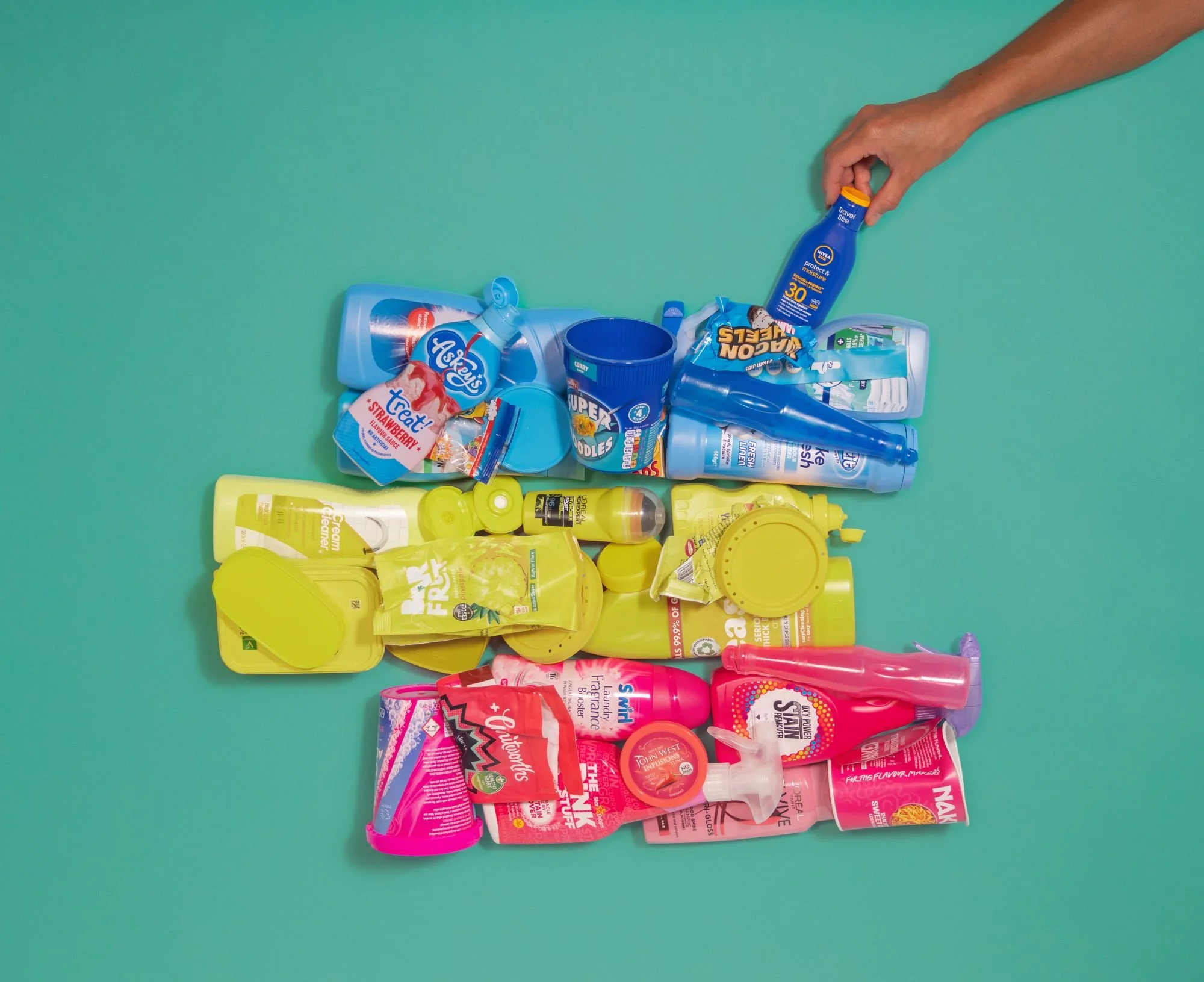
Image credit: The Big Plastic Count/Matte Cooper
The Big Plastic Count 2026 has found that UK households are throwing away an estimated 13 billion pieces of plastic fruit and veg packaging each year.
The project – described as the UK’s largest people-powered investigation into household plastic waste – saw charity Everyday Plastic count each piece of plastic packaging participants threw away over one week in March 2026. Over 1.5 million pieces of plastic were counted by more than 68,000 people who took part nationwide.
Out of the plastic counted, 82% came from food and drink packaging, mostly from fruit and vegetables (16% of the total). The charity says that 63% of fruit and veg packaging is soft film plastic which is almost impossible to recycle at scale in the UK, so most ends up being incinerated.
Investigating what happens to household plastic packaging once it’s thrown away, The Big Plastic Count found that 59% is burned at UK waste incinerators; 16% is sent to other countries, often with less effective recycling systems than the UK; 9% is landfilled in the UK; and only 16% is recycled.
Out of control
“The Big Plastic Count has again shown that plastic production is out of control, with billions of pieces of plastic being thrown away every week,” explains Daniel Webb, founder of Everyday Plastic. “Recycling cannot keep up with the volume being produced, and we’re incinerating more than ever. We can’t burn our way out of this. It has become a national crisis.
“Cutting plastic production would ease pressure across the whole system – from our climate to our communities – and has the potential for huge social, economic, and environmental benefits.”
Commenting on the rise in plastic, Beth Gardiner, author of Plastic Inc: Big Oil, Big Money and The Plan To Trash Our Future, says: “Even as so many of us try to use less plastic, fossil fuel and petrochemical companies push more of it into our lives every year. Now, with clean energy and electric vehicles threatening its profits, Big Oil is pouring billions of dollars into its plans to double, and eventually triple, plastic production. By documenting plastic’s out-of-control proliferation, the tens of thousands of people participating in The Big Plastic Count are shining a critically important spotlight on that dangerous strategy.”
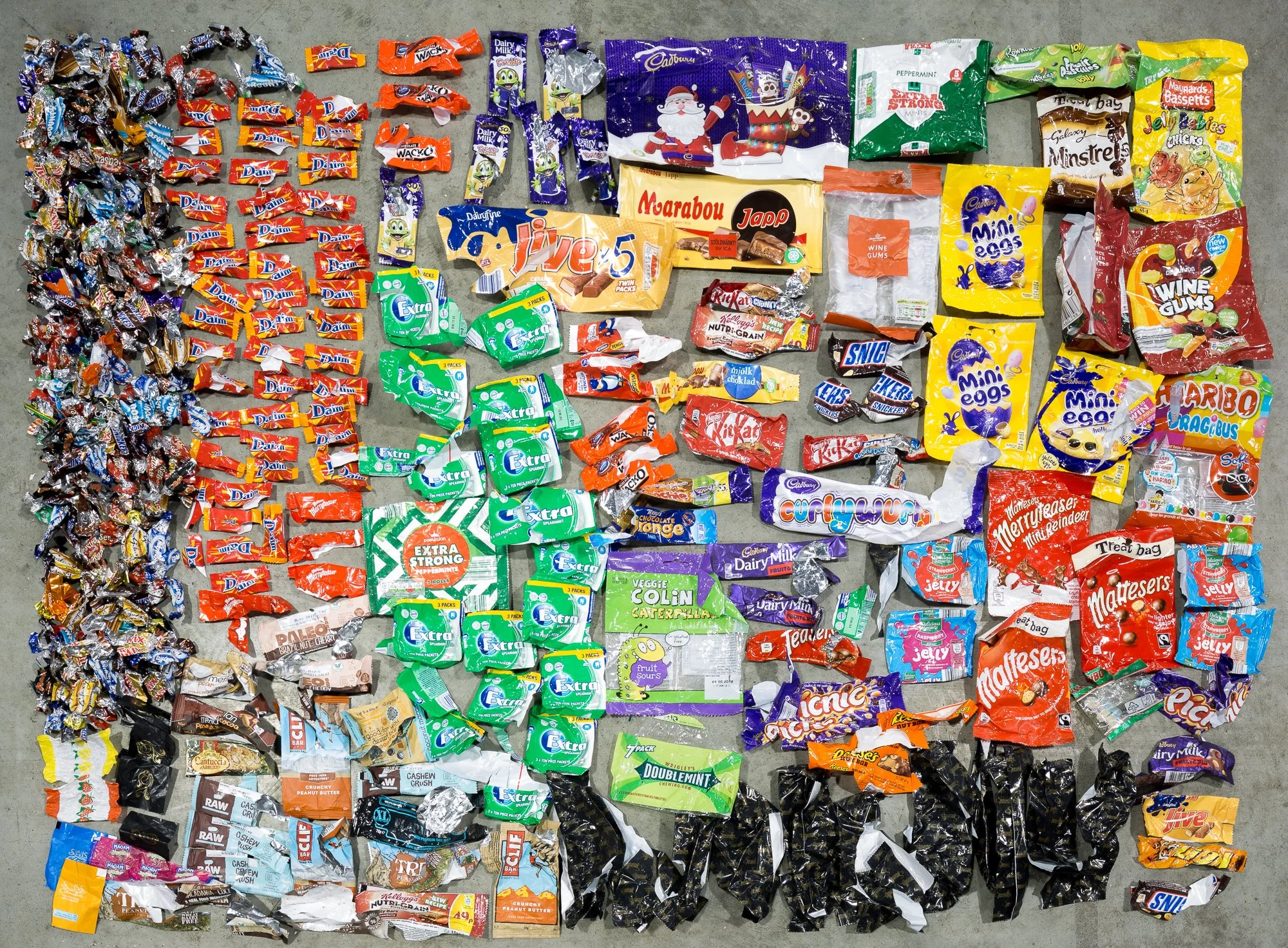
(Image credit: Everyday Plastic/Ollie Harrop)
Urging action
Everyday Plastic is now calling on government to take action by removing plastic packaging from uncut fruit and vegetables by 2030; immediately stopping the construction of new waste incinerators and ending the export of UK plastic waste to other countries.
Comments Faaria Ahmad, head of Global Learning London, an official delivery partner of the campaign: “The Big Plastic Count has highlighted the wider environmental and social impact of excessive plastic production. For years, we’ve been exporting our plastic waste to countries with often poorer infrastructure than ours, and we build incinerators in areas with large populations of diaspora communities and those from the Global South. This is a collective opportunity to pressure big companies and the government to implement measures for real change.”
The Big Plastic Count will return in March 2027 as part of a long-term project to bring new voices to the conversation about plastic and to explore how it impacts our climate and our communities.
By Jane Wolfe, contributor